
NAPL बांसुरी से संबंधित अक्सर पूछे जाने वाले प्रश्न: सामान्य प्रश्न

सोलिनस्ट बांसुरी
1091 एनएम-68
अलकेड, एनएम, यूएसए
87511
टेलीफ़ोन: +1 505-883-4032
ईमेल: [email protected]
सोलिंस्ट बांसुरी: एनएपीएल बांसुरी से संबंधित अक्सर पूछे जाने वाले प्रश्न: अक्सर पूछे जाने वाले प्रश्न
ये उत्तर जानबूझकर संक्षिप्त हैं। यदि आपके पास और प्रश्न हैं, तो कृपया [email protected] पर सीधे हमसे संपर्क करें।
NAPL फ्लूट्स कैसे स्थापित किए जाते हैं?
भूमिगत स्तर पर किए जाने वाले इन सीटू मापों के लिए, एनएपीएल फ्लूट्स को स्थिर खुले बोरहोल में ब्लैंक लाइनर्स पर या डायरेक्ट-पुश रॉड्स जैसे ड्रिवन केसिंग के माध्यम से स्थापित किया जाता है।
क्या कोर का आकलन करने के लिए एनएपीएल फ्लूट सिस्टम का उपयोग किया जा सकता है?
हाँ। प्रतिक्रियाशील आवरण सामग्री की एक मुड़ी हुई पट्टी को स्प्लिट कोर में डाला जा सकता है, लेकिन कुछ NAPL के वाष्पीकरण से बचना चाहिए। अनुशंसित प्रक्रिया के बारे में पूछें। सोनिक कोर को प्रतिक्रियाशील आवरण सामग्री के ट्यूबलर आवरण में एक्सट्रूड किया जा सकता है।
क्या भूमिगत प्रतिष्ठानों के लिए विशेष उपकरणों की आवश्यकता होती है?
जी हां , डायरेक्ट पुश रॉड्स में उपयोग के लिए एक इंजेक्शन पंप की आवश्यकता होती है। खुले स्थिर छेदों से लाइनर लगाने और निकालने के लिए वेलहेड रोलर और विंच की आवश्यकता होती है। डायरेक्ट पुश लाइनर्स को आमतौर पर हाथ से ही छेद से आसानी से निकाला जा सकता है (ऐसा करते समय लाइनर को ऊपर तक भरा होना चाहिए)।
प्रतिक्रियाशील पदार्थ को कितनी देर तक उसी स्थान पर छोड़ देना चाहिए?
भूमिगत प्रतिष्ठानों के लिए, कम से कम 10 मिनट, लेकिन एक घंटा अनुशंसित है। एक वीडियो उपलब्ध है जो प्रतिक्रियाशील पदार्थ की TCE और गैसोलीन के साथ प्रतिक्रिया को दर्शाता है।
क्या NAPL फ्लूट की सहायता से उत्पाद की मोटाई निर्धारित की जा सकती है?
नहीं। क्योंकि जलरोधी आवरण सामग्री NAPL/DNAPL को तेजी से सोख लेती है, इसलिए यह उसकी मोटाई को बढ़ा देती है। दाग का आकार, उत्पाद की मोटाई की तुलना में उपलब्ध मात्रा का बेहतर माप है।
एनएपीएल बांसुरी की शिपिंग कितनी जल्दी हो सकती है?
आमतौर पर ऑर्डर देने के एक सप्ताह के भीतर डिलीवरी हो जाती है। हालांकि, यह सोलिंस्ट बांसुरी के अन्य निर्माण कार्यों के शेड्यूल पर निर्भर करता है। जल्दी ऑर्डर देना बेहतर है।
क्या NAPL फ्लूट सिस्टम को कोई भी इंस्टॉल कर सकता है?
हाँ। लेकिन, कुछ प्रशिक्षण आवश्यक है। प्रक्रिया के बारे में स्पष्ट निर्देश उपलब्ध हैं। यदि चाहें, तो सोलिंस्ट फ्लूट का एक फील्ड कर्मचारी शुरुआती इंस्टॉलेशन के लिए ऑन-साइट प्रशिक्षण और सहायता प्रदान कर सकता है।
क्या रिएक्टिव कवर सामग्री को लाइनर के बिना खरीदा जा सकता है?
हाँ। प्रतिक्रियाशील आवरण सामग्री का उपयोग कभी-कभी कोर का आकलन करने के लिए किया जाता है या कुएं के तल पर डीएनएपीएल की एक पतली परत की उपस्थिति का पता लगाने के लिए इसे कुएं में उतारा जाता है।
क्या NAPL फ्लूट को सोनिक केसिंग के माध्यम से स्थापित किया जा सकता है?
जी हां , यह प्रक्रिया डायरेक्ट पुश रॉड के माध्यम से इंस्टॉलेशन के समान है। हालांकि, इसे सोलिंस्ट फ्लूट द्वारा करवाना सबसे अच्छा है।
क्या NAPL फ्लूट इंस्टॉलेशन एक विश्वसनीय विधि है?
गलत सकारात्मक परिणाम (अर्थात, स्पष्ट दाग होना जबकि NAPL मौजूद न हो) की संभावना बहुत कम है। दाग न होने का मतलब केवल यह है कि कवर NAPL के संपर्क में नहीं आया। इसका यह अर्थ नहीं है कि NAPL आसपास नहीं है।
क्या NAPL फ्लूट सिस्टम घुलित अवस्था का पता लगा सकता है?
नहीं । यह घुलित अवस्था के साथ प्रतिक्रिया नहीं करता, बल्कि केवल शुद्ध उत्पाद के संपर्क में आने पर ही प्रतिक्रिया करता है। NAPL कवर में जोड़ा गया FACT सिस्टम (फ्लूट एक्टिवेटेड कार्बन तकनीक) घुलित अवस्था को मापेगा।
क्या एनएपीएल कैरियर लाइनर को खुले बोरहोल में स्थापित करने के लिए पुन: उपयोग किया जा सकता है?
हाँ । रिएक्टिव कवर हटाने के बाद बोरहोल को सील करने के लिए केवल ब्लैंक कैरियर लाइनर को पुनः स्थापित करना एक सामान्य प्रक्रिया है। कैरियर लाइनर को पुनः स्थापित करने के साथ-साथ बोरहोल का ट्रांसमिसिविटी प्रोफाइल करना भी एक सामान्य प्रक्रिया है।
क्या कैरियर लाइनर को नए NAPL कवर के साथ दोबारा इस्तेमाल किया जा सकता है?
नहीं । सोलिंस्ट फ्लूट के विशेष उपकरण के बिना फील्ड में कैरियर लाइनर पर कवर बदलना बहुत मुश्किल है। यह भी चिंता का विषय है कि पुराने लाइनर पर लगा एनएपीएल नए कवर पर दाग का कारण बन सकता है।
अगर NAPL बांसुरी पर दाग नहीं लगे हैं तो क्या उसे दोबारा इस्तेमाल किया जा सकता है?
सामान्यतः नहीं। कवर की जांच करने के लिए, इसे लाइनर से हटाना होगा।
क्या NAPL फ्लूट की लंबाई ओपन बोरहोल के बराबर होनी चाहिए?
छेद के तल में डीएनएपीएल की उपस्थिति का आकलन करने के लिए आमतौर पर छेद के तल में एक एनएपीएल फ्लूट लगाया जाता है। इसलिए, लाइनर की लंबाई कम से कम छेद की गहराई के बराबर होनी चाहिए। छेद की वास्तविक गहराई से अधिक लंबा एनएपीएल फ्लूट लगाना असामान्य नहीं है।
क्या डायरेक्ट पुश रॉड्स से छोटी NAPL FLUTe लगाई जा सकती है?
नहीं । लाइनर की लंबाई कम से कम छड़ों की लंबाई से लगभग 5 फीट अधिक होनी चाहिए। छड़ का पहला भाग हटाने के बाद लाइनर छड़ के निचले भाग से बाहर निकला हुआ होना चाहिए। छोटा लाइनर होने पर रेत छड़ के निचले भाग में जा सकती है और लाइनर को छड़ के सापेक्ष नीचे खिसकने से रोक सकती है।
क्या पुश रॉड में डिस्पोजेबल टिप की आवश्यकता है?
हाँ । रॉड के व्यास से थोड़ा बड़ा एक सिरा आवश्यक है। पहले रॉड सेक्शन को निकालते समय इसे वहीं छोड़ दिया जाएगा। लाइनर को रॉड में लगाने से पहले सिरे को रॉड के सिरे से ठोककर नहीं निकालना चाहिए और छेद के तल पर आसानी से टिके रहने के लिए सिरे को चिकना करना चाहिए।
NAPL फ्लूट्स के साथ किस आकार की डायरेक्ट पुश रॉड का उपयोग किया जा सकता है?
1.5 से 2.5 इंच का आंतरिक व्यास 2.25 से 3.5 इंच के छेद के आकार के साथ आसानी से संगत है। इससे छोटे आंतरिक व्यास वाले सिस्टम भी बनाए गए हैं, लेकिन वे विशेष ऑर्डर पर ही उपलब्ध होते हैं।
क्या लाइनर को निकालते समय सीधे पुश रॉड के छेदों से निकलने वाला पानी दूषित है?
यदि स्थापना के लिए पीने योग्य पानी का उपयोग किया गया हो तो ऐसा नहीं है। इसलिए, NAPL फ्लूट सिस्टम के साथ सीधे पुश होल में आमतौर पर अवैध जल (IDW) के निपटान की आवश्यकता नहीं होती है। हालांकि, NAPL फ्लूट को खुले स्थिर होल में स्थापित करते समय पंप ट्यूब के माध्यम से कुएं के तल तक पहुंचने वाला कुएं का पानी दूषित माना जाता है।
क्या मैं ऑगर होल में NAPL फ्लूट्स का उपयोग कर सकता हूँ?
ऑगर हटाने के बाद यदि वे खुले और स्थिर हों तभी। ऑगरिंग प्रक्रिया द्वारा एनएपीएल के फैलने की आशंका है।
क्या एनएपीएल फ्लूट लगाने से पहले बोरहोल विकसित किया जाना चाहिए?
दरारों से कतरनों को हटाने के लिए पानी का तेज बहाव करना उचित है, लेकिन बहुत अधिक पंपिंग से एनएपीएल अपने सामान्य स्थानों से हट सकते हैं और एनएपीएल फ्लूट पर कोई दाग नहीं बन सकता है।
कोर-होल का आकलन अक्सर NAPL फ्लूट की सहायता से सफलतापूर्वक किया गया है (अर्थात, DNAPL प्रवाहित करने वाली दरारों में दाग देखे गए)। यह सुझाव दिया जाता है कि लाइनर के नीचे उतरने पर एक बोरहोल जल की मात्रा को हटा दिया जाए ताकि NAPL फ्लूट अंदर आने वाली दरारों को सील कर सके। हालांकि, DNAPL से भरी दरारों का पता लगाने के लिए यह आवश्यक नहीं है।
क्या NAPL फ्लूट स्टेन विधि से यौगिक का निर्धारण किया जा सकता है?
नहीं । हालाँकि, विलायक क्षमता में भिन्नता वाले NAPL (जैसे, TCE, गैसोलीन, तेल आदि) के दाग की प्रकृति में स्पष्ट अंतर होते हैं। NAPL का रंग भी आमतौर पर दाग के रंग को प्रभावित करता है। दाग की ज्यामिति कभी-कभी व्याख्या के लिए महत्वपूर्ण होती है।
सच्चाई क्या है?
FACT का मतलब है "फ्लूट एक्टिवेटेड कार्बन तकनीक"। FACT तकनीक में NAPL फ्लूट कवर की भीतरी सतह पर एक्टिवेटेड कार्बन फेल्ट की एक पट्टी लगाई जाती है। एक विसरण अवरोधक फेल्ट स्ट्रिप को लाइनर से अलग करता है। लाइनर कार्बन फेल्ट स्ट्रिप को छेद की दीवार के खिलाफ दबाता है, जिससे सक्रिय कार्बन छेद के पानी के पदार्थ के छिद्र द्रव से दूषित पदार्थों को अवशोषित कर लेता है। परिणामस्वरूप, कार्बन फेल्ट में अवशोषित होने पर, छिद्रों के तरल पदार्थ और दरारों में घुले संदूषक वितरण की एक प्रतिकृति प्राप्त होती है। कार्बन स्ट्रिप को एनएपीएल कवर के साथ निकाला जाता है और उसे काटकर उसके भीतर मौजूद संदूषकों की सांद्रता का पता लगाने के लिए मास स्पेक्ट्रोमीटर से विश्लेषण किया जाता है। विश्लेषण किए जाने वाले कार्बन स्ट्रिप के अंतरालों की पहचान करने के लिए FACT का उपयोग अक्सर सोलिंस्ट फ्लूट ट्रांसमिसिविटी प्रोफाइल के साथ संयोजन में किया जाता है।
संबंधित उत्पाद
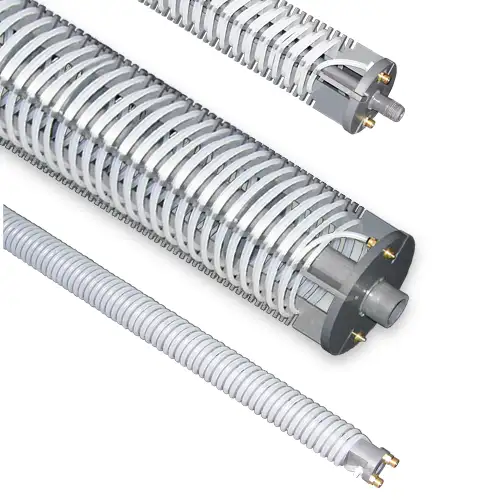
उन्नत जैव उपचार
वाटरलू एमिटर™ एक सरल, कम लागत वाला उपकरण है जिसे दूषित भूजल के बायोरेमेडिएशन के लिए डिज़ाइन किया गया है। यह ऑक्सीजन या अन्य संशोधनों को सिलिकॉन या एलडीपीई ट्यूबिंग के माध्यम से नियंत्रित, समान तरीके से फैलाने में सक्षम बनाता है। MTBE और BTEX के एरोबिक बायोरेमेडिएशन के लिए आदर्श, जिसमें न्यूनतम रखरखाव की आवश्यकता होती है।
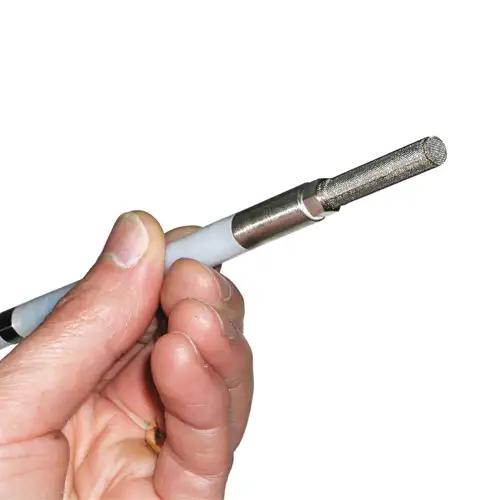
3/8" व्यास लचीला वायवीय पंप
माइक्रो डबल वाल्व पंप का डिज़ाइन उल्लेखनीय रूप से छोटा और लचीला है। 3/8" (10 मिमी) व्यास पर यह CMT सिस्टम के चैनलों से भूजल का नमूना लेने के लिए पर्याप्त छोटा है।
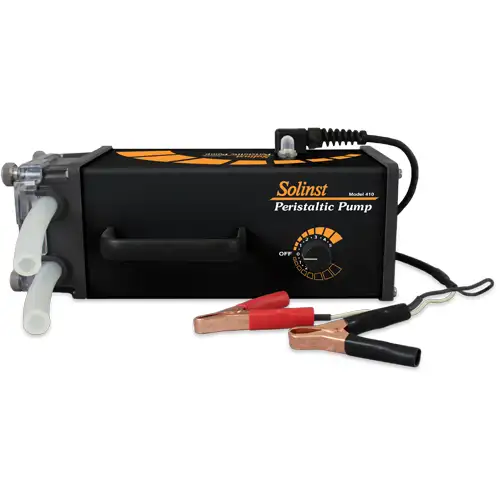
मजबूत पेरिस्टाल्टिक पंप
कॉम्पैक्ट, हल्का और जलरोधी, सोलिंस्ट पेरिस्टाल्टिक पंप को फील्ड में उपयोग के लिए डिज़ाइन किया गया है। एक ही आसान नियंत्रण से विभिन्न गतियों और प्रतिवर्ती प्रवाह को नियंत्रित किया जा सकता है। उथले पानी और वाष्प के नमूने लेने के लिए आदर्श।
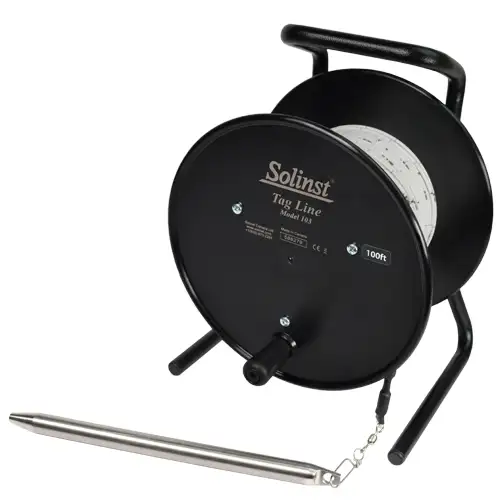
टैग लाइन - मजबूत, सरल, सुविधाजनक
टैग लाइन में लेजर मार्क केबल से जुड़ा वजन इस्तेमाल किया गया है, जो एक मजबूत रील पर लगा है। कुएं के निर्माण की निगरानी के दौरान गहराई मापने के लिए सुविधाजनक।


