
The Hidden Problem in Your Borehole

The Hidden Problem in Your Borehole: 3 minutes 46 seconds
An open borehole in fractured rock can become a vertical superhighway for contaminants, distorting the very data you need to collect.
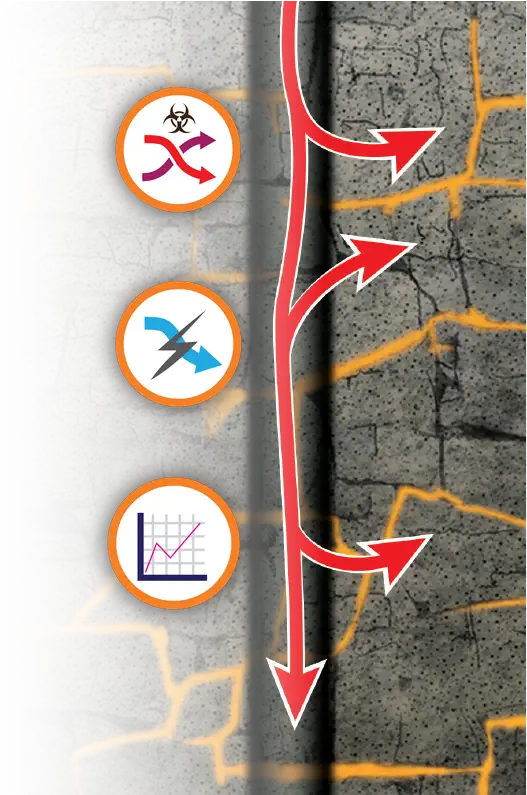
The Open Borehole Problem
Creates False Pathways
Water and contaminants from high-pressure fractures enter the hole, travel vertically, and flow into other fractures, causing cross-contamination.
Masks True Conditions
This cross-contamination makes it impossible to identify the true groundwater flow paths and contaminant distribution, leading to flawed site models.
Gives Misleading Data
Measurements for temperature or water chemistry are skewed, showing only major flow zones when many more may be active.
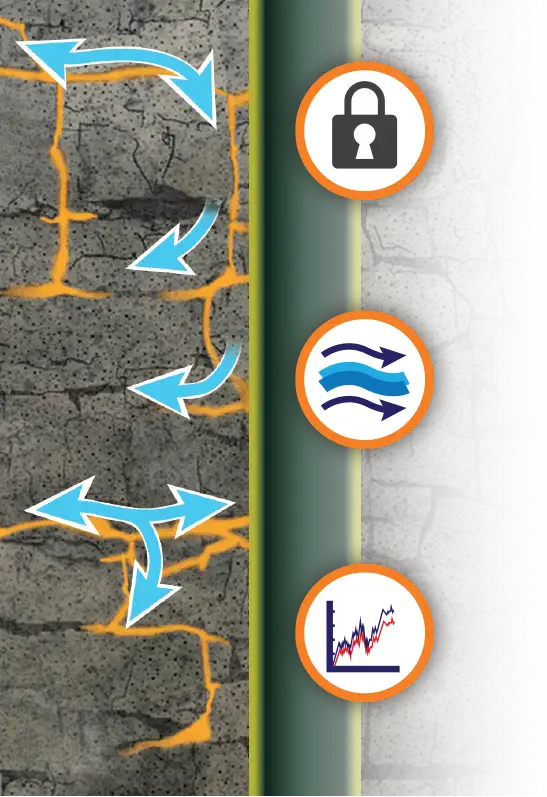
The Lined Borehole Solution
Seals the Entire Borehole
A flexible, impermeable 405 Solinst Flute Blank Liner is installed immediately after drilling, sealing tightly against the borehole wall from top to bottom.
Restores Natural Flow
The liner completely stops cross-contamination, isolating fractures and allowing for measurement of the true, undisturbed hydrogeologic system.
Provides High-Resolution Data
Performing a transmissivity profile while lining an open hole maps hydraulic features on a 6-inch scale.
What Else a Borehole Liner Enables



Depth-Discrete Monitoring
Specialised liners (405 Water Flute) allow for collection of groundwater samples from 15+ discrete zones in a single borehole.
Pinpoint Contaminants
A reactive liner cover (405 NAPL Flute) uses a special dye that stains on contact, precisely identifying the depth of free product. A 405 FACT (Flute Activated Carbon Technique) strip identifies contaminants in the dissolved phase.
Map Water Flow Paths
Measuring the liner’s installation speed allows for a continuous, high-resolution profile of the borehole’s Transmissivity (how easily water flows). A Reverse Head Profile can be developed upon removal of the liner to identify vertical hydraulic gradients that can be used to determine connectivity in fractured bedrock.
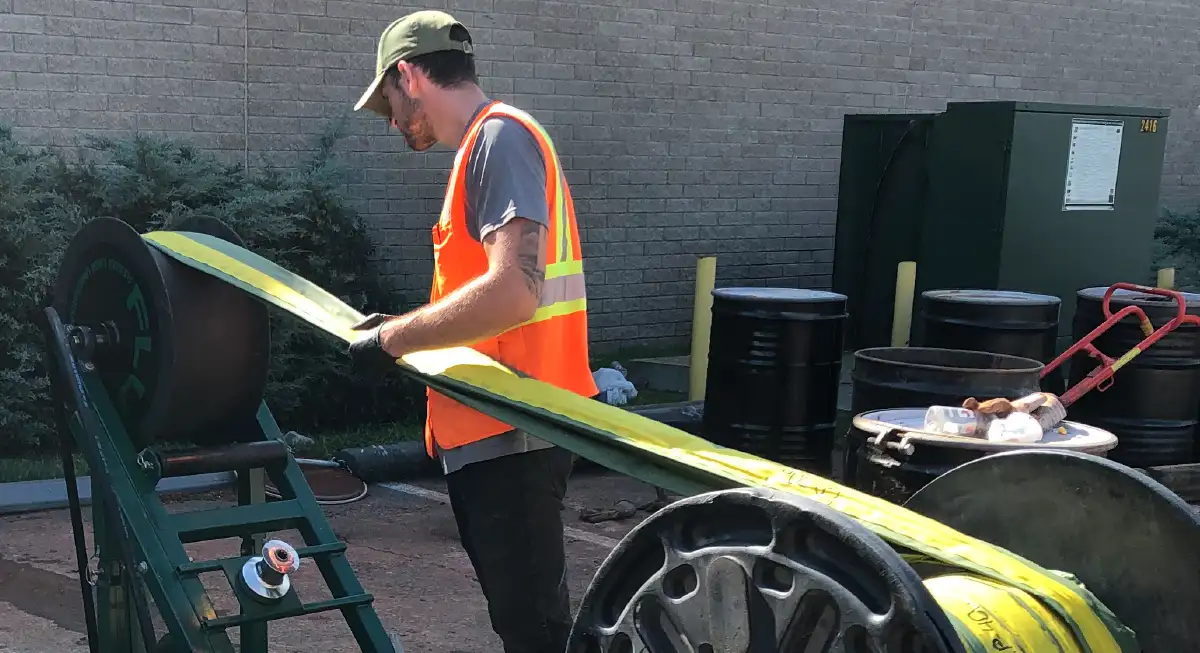
Sealing a Borehole with Solinst Flute Blank Liners
The end of the liner is pulled off the shipping reel and folded inside out forming an annular pocket. This annular pocket is then lowered down inside the casing and secured at the surface. Water is then added to the pocket to a level above the water table in the formation, creating the driving pressure necessary to start the eversion process.
The driving pressure allows the liner to propagate down the borehole (eversion), displacing the borehole water into open flow paths and seals the liner firmly to the borehole wall.
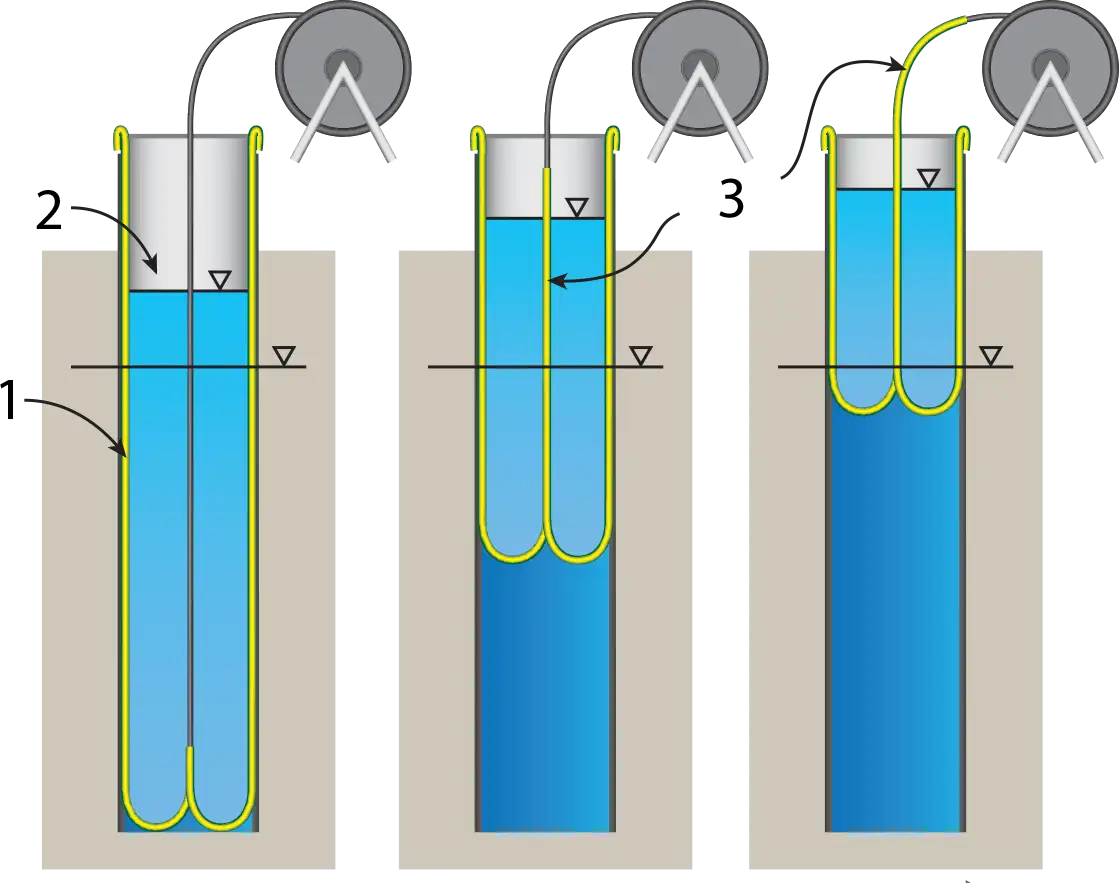
Liner removal sequence →
← Liner installation sequence
- Liner
- Excess head in liner
- Inverted liner
Related Products
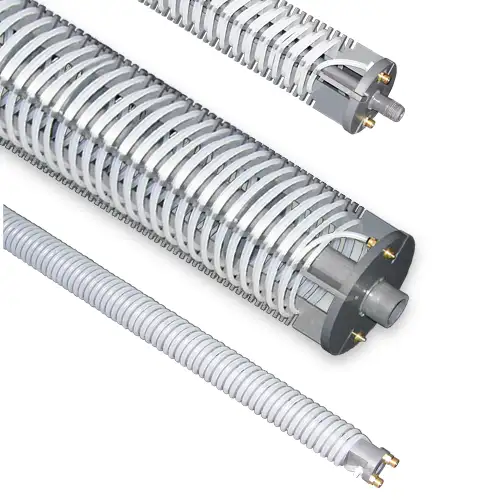
Enhanced Bioremediation
The Waterloo Emitter™is a simple, low-cost device designed for the bioremediation of contaminated groundwater. It enables oxygen or other amendments to diffuse through silicone or LDPE tubing in a controlled, uniform manner. Ideal for aerobic bioremediation of MTBE and BTEX, with minimal maintenance required.
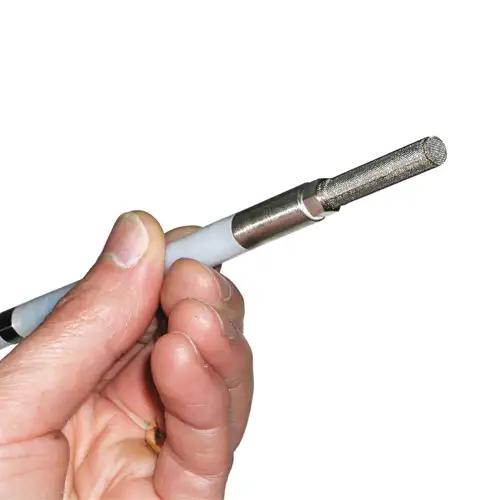
3/8" Diameter Flexible Pneumatic Pump
The Micro Double Valve Pump has a remarkably small and flexible design. At 3/8" (10 mm) diameter it is small enough to sample groundwater from channels of a CMT System.
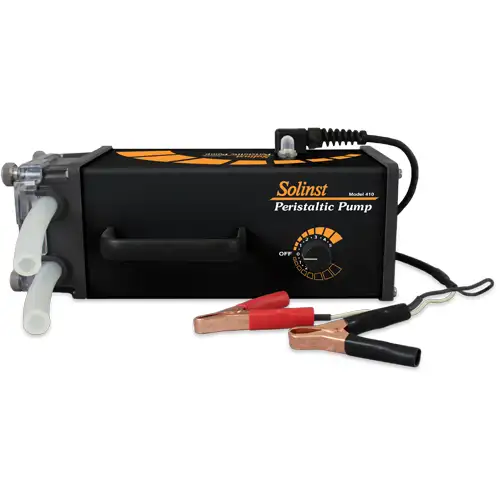
Rugged Peristaltic Pump
Compact, lightweight, and water-resistant, the Solinst Peristaltic Pump is designed for field use. One easy-access control allows various speeds and reversible flow. Ideal for shallow water and vapour sampling.
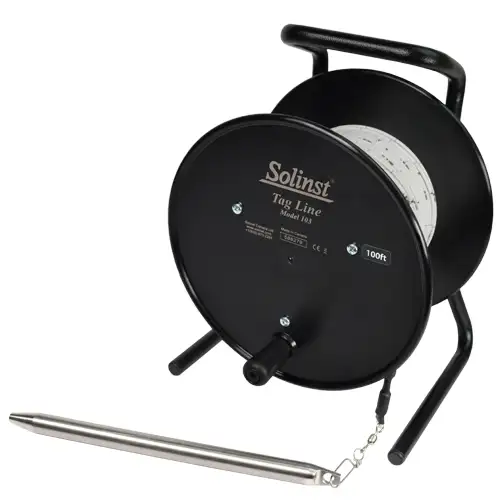
Tag Line - Rugged, Simple, Convenient
The Tag Line uses a weight attached to laser-marked cable, mounted on a sturdy reel. Convenient for measuring depths during monitoring well construction.


