
Model 5001 MantaFluor Datasheet

Solinst Eureka
2113 Wells Branch Pkwy, Suite 4400
Austin, TX, USA
78728
Tel: +1 512-302-4333
Fax: +1 512-251-6842
email: [email protected]
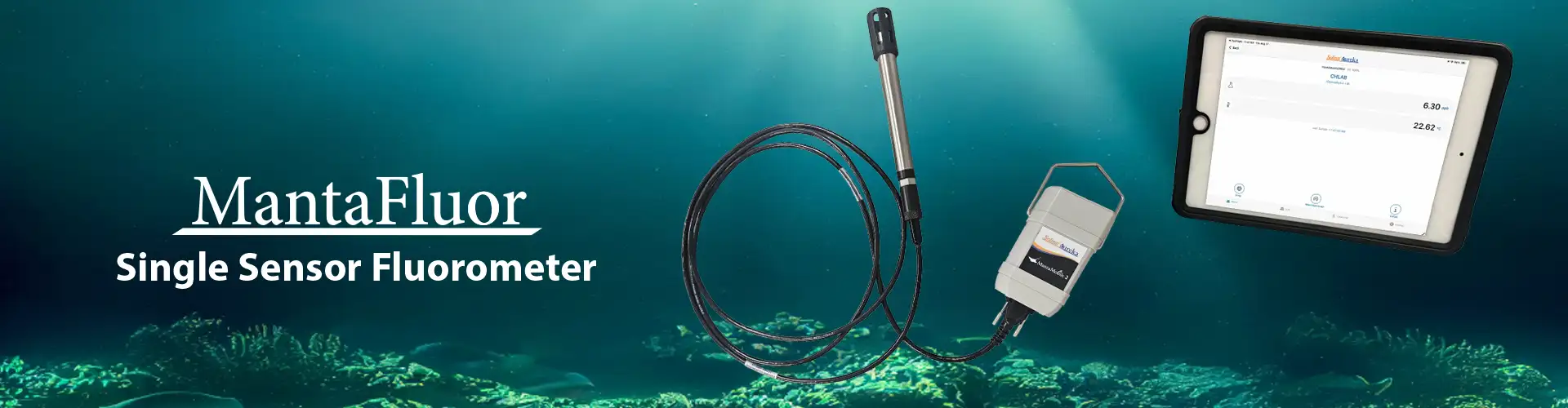
MantaFluor
Model 5001
The MantaFluor by Solinst Eureka is a single-sensor fluorometer designed for environmental field professionals who require accurate, reliable fluorescence data without the complexity of multiparameter instruments. Featuring a patented optical system and automatic temperature compensation, the MantaFluor delivers application-appropriate performance across a full range of analytes—in a compact, field-ready titanium housing.
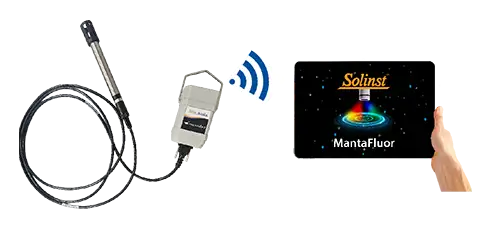
The MantaFluor is powered and wirelessly paired with the MantaFluor App via the MantaMobile 2 Bluetooth® Low Energy (BLE) device. With the App, users can connect, calibrate, log, and export data directly from their iOS smart device.
Rugged MantaFluor Communication Cables connect the MantaFluor to the MantaMobile 2 and are available in standard lengths up to 25 m (80 ft), providing flexibility for projects. The cable design makes it simple to switch out MantaFluor probes when another monitoring parameter is desired. A sensor guard protects the optical head of the MantaFluor probe during measurements.
MantaFluor Key Benefits
- Purpose-built performance:
application-appropriate specs for natural water conditions - Higher confidence in challenging water:
advanced optical design helps minimise turbidity interference - Season-Long Accuracy:
automatic temperature compensation for dependable year-round data - Field-ready durability:
titanium housing and rugged communication cables - Flexible monitoring:
swap probes in seconds as parameter needs change - Connected workflow:
connect, calibrate, log, and share directly from your smart device - Industry-leading warranty:
3-year coverage
MantaFluor Features
- Advanced, Patented Optical System:
A single, highly focused light path minimises turbidity interference and delivers higher accuracy and lower detection limits than conventional designs. - Integrated Temperature Sensor:
Compensation eliminates temperature-driven variance, delivering accurate data across all seasons and environments. - Application-Appropriate Specifications:
Range, linearity, resolution, and MDL are purpose-built for real-world natural water conditions. - Seamless Probe Interchangeability:
The cable connection allows users to quickly swap MantaFluor probes in the field when monitoring parameter requirements change. - MantaMobile 2 Compatible:
Plug-and-play integration with MantaMobile for a complete, connected water-quality measurement system. - Industry-Leading 3-Year Warranty:
The best warranty coverage in the field fluorometry market. - Wireless Field Operation:
Connect, calibrate, log, and share data via the free MantaFluor iOS App.
Fluorometers measure specific substances in water by exciting them with light at a selected wavelength and measuring the fluorescence they emit at a different wavelength. The intensity of this fluorescence is used to determine the concentration of the target substance.
How the MantaFluor is Useful
-
Algal & Ecosystem Health:
- Chlorophyll A & AB: Track total algae, distinguish algae types, and monitor fertiliser runoff in lakes and rivers.
- Blue-Green Algae (Phycocyanin): Early warning detection for Harmful Algal Blooms (HABs) and drinking water intake protection.
- CDOM/fDOM: Track dissolved organic carbon, storm runoff, and prevent disinfection by-products at water treatment plants.
-
Hydrocarbon & Petroleum Contamination:
- BTEX (Refined Fuels): Continuous monitoring for petrol, diesel, and aviation fuel leaks near underground tanks, pipelines, and marinas.
- PAH (Crude Oil): Rapid oil spill tracking and remediation monitoring in coastal, industrial, and marine sites.
-
Wastewater & Pollution Tracing:
- Optical Brighteners: Trace laundry detergent and household wastewater influence from leaking sewer lines or septic systems.
- Tryptophan: Biological indicator for protein-like organic matter and rapid detection of sewage contamination.
MantaFluor Overview
MantaFluor is a single-sensor fluorometer designed for environmental field professionals who need dependable results in a compact, easy-to-use format. Available in multiple sensor options — including Chlorophyll A, Chlorophyll AB, BGA, CDOM, BTEX, PAH, Optical Brighteners, and Tryptophan — it supports a wide range of water quality applications, from algae monitoring to contamination detection.
What You Need to Get Started
- MantaFluor Probe with sensor guard: Select from 8 parameter options
- MantaFluor Communication Cable: Standard lengths up to 25 m / 80 ft
- MantaMobile 2: Rechargeable BLE Bluetooth Device
- MantaFluor App: Free download for iOS smart devices
Note:
Already using Solinst Eureka equipment? The MantaMobile 2 transceiver is also fully compatible with Manta+ multiparameter probes and the MantaLink App.
MantaFluor Options
The MantaFluor is currently available in eight different models: Chlorophyll A, Chlorophyll AB, BGA (Blue-Green Algae), CDOM (Coloured Dissolved Organic Matter), BTEX (Refined Fuels), PAH (Crude Oil), Optical Brighteners, and Tryptophan.
In water quality monitoring, fluorometers are essential for detecting and quantifying a variety of naturally occurring and man-made substances.
- Chlorophyll Sensors: Monitor chlorophyll concentrations for assessing phytoplankton and algal activity and overall ecosystem health.
- Blue-Green Algae Sensor: Measures phycocyanin, a key pigment used to detect and monitor freshwater cyanobacteria (blue-green algae).
- CDOM Sensor: Measures Coloured Dissolved Organic Matter (CDOM) to help assess dissolved organic matter and changes in water quality
- BTEX (Refined Fuels) Sensor: Detects fluorescent aromatic hydrocarbons associated with refined petroleum fuels, providing an effective method for monitoring fuel contamination in water.
- PAH (Crude Oil) Sensor: Detects fluorescent polycyclic aromatic hydrocarbons (PAHs) associated with crude oil and other petroleum hydrocarbons for monitoring oil contamination in water.
- Optical Brightener Sensor: Detects fluorescent whitening agents commonly found in laundry detergents and household wastewater, making them useful as tracers of wastewater and sewage influence.
- Tryptophan Sensor: Measures tryptophan-like fluorescence associated with proteins and organic matter and can be used as an indicator of biological and wastewater-related contamination.
Each MantaFluor requires a MantaFluor Communication Cable, MantaMobile 2, and the MantaFluor App to operate. Rugged tablets and other optional accessories are available.
MantaFluor Specifications
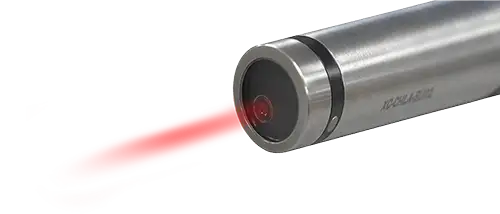
 CAUTION: Never look directly at a fluorometer sensor. The UV rays emitted by the sensor can cause eye damage.
MantaMobile 2 Communication
The MantaMobile 2 is a rechargeable, high-capacity lithium battery with a Bluetooth transceiver in a water-resistant case. The MantaMobile communicates to tablets and smartphones using Solinst Eureka Apps.
The MantaFluor App is simple to use to access functions and data from your MantaFluor sensors. Use the MantaFluor App’s intuitive menu structure to perform essential tasks like viewing real-time data, logging data, calibrating your sensor, and sharing data files instantly from the field. Snap and AutoSnap logging modes let you capture data your way.
The MantaMobile 2 is also compatible with other Solinst Eureka products including Manta+ multiparameter probes and the MantaLink App.
MantaFluor Applications
Chlorophyll A Sensors
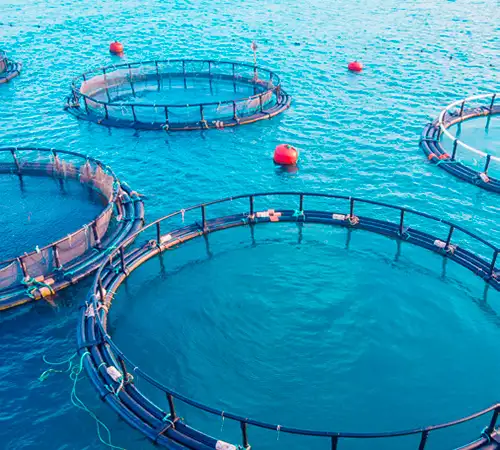
Chlorophyll A is found in almost all plants and algae.
- Measuring Total Algae: Gives a quick estimate of total algae growth in lakes, rivers, and oceans.
- Protecting Fish & Aquaculture: Detects sudden algae spikes. When large algae populations die and decompose, they drain dissolved oxygen from the water, which can suffocate fish.
- Tracking Fertiliser Pollution: Shows if excess nitrogen or phosphorus from farm runoff is causing rapid plant growth downriver.

Chlorophyll AB Sensors
Chlorophyll B is present in green algae and land plants, but absent in other groups like diatoms or cyanobacteria.
- Identifying Algae Types: Comparing the ratio of Chlorophyll A to Chlorophyll B helps scientists figure out what types of algae are multiplying without needing to count them under a microscope.
- Spotting Land Runoff: Helps distinguish whether plant debris washed into a river from land during a storm or grew directly in the water.

Blue-Green Algae (BGA) Sensors: Phycocyanin
Blue-green algae (cyanobacteria) are photosynthetic bacteria that produce a unique pigment called phycocyanin.
- Harmful Algal Bloom (HAB) Early Warning: Detects cyanobacteria population growth days or weeks before visual surface scums or mats appear, enabling proactive public health warnings.
- Safe Drinking Water: Cyanobacteria can release dangerous liver/nerve toxins and chemicals that give tap water an earthy taste. Sensors alert water treatment plants to switch intake depths or add carbon filters before toxins reach municipal pipes.
- Public Safety: Helps park officials close swimming areas and lakes before toxic conditions threaten humans and pets.
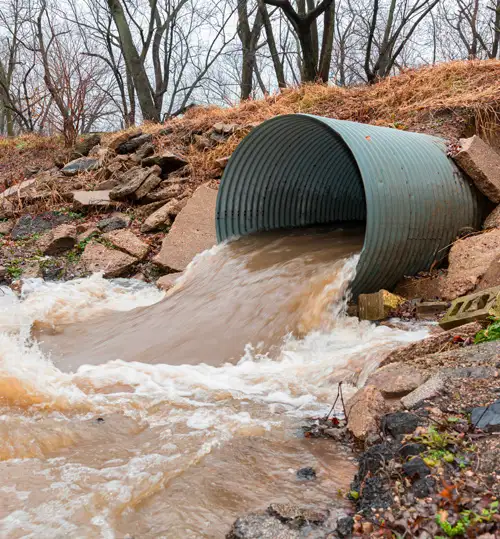
CDOM / fDOM Sensors (Coloured Dissolved Organic Matter)
CDOM (or fDOM, its fluorescent fraction) consists of humic and fulvic substances from decaying organic matter and soil leaching, giving natural waters a tea-like tint.
- Measuring Organic Carbon: Acts as a quick standby measurement for dissolved organic carbon, skipping time-consuming lab chemistry tests.
- Preventing Water Treatment Byproducts: When water treatment plants add chlorine to disinfect water, high levels of dissolved organic matter can react with the chlorine to create harmful chemical byproducts. Sensors help operators adjust filter doses before adding chlorine.
- Storm Runoff Tracking: Shows how much soil and forest floor debris washes into rivers during heavy rainfall or spring snowmelt.

BTEX (Refined Fuels) Sensors
BTEX refers to aromatic hydrocarbons associated with refined petroleum products such as petrol, diesel fuel, and aviation fuels. These compounds fluoresce when excited with ultraviolet light, allowing their presence in water to be detected rapidly.
- Groundwater Monitoring: Helps identify petroleum contamination entering wells, boreholes, aquifers, and surface waters from leaking underground storage tanks and contaminated sites.
- Fuel Spill Detection: Provides early detection of refined-fuel contamination from spills, leaking tanks, pipelines, marinas, and industrial facilities.
- Continuous Monitoring: Allows real-time detection of changes in petroleum contamination that might otherwise be missed by periodic grab sampling.

PAH (Crude Oil) Sensors
Crude oil contains polycyclic aromatic hydrocarbons (PAHs), a group of naturally fluorescent compounds that can be used to detect and track petroleum contamination in water.
- Oil Spill Monitoring: Detects crude-oil-related hydrocarbons in water, helping identify spills and track changes in contamination over time.
- Environmental Remediation: Provides rapid measurements at contaminated sites to help evaluate cleanup activities and identify areas requiring additional investigation.
- Industrial & Marine Monitoring: Helps detect petroleum contamination around ports, pipelines, production facilities, storage terminals, and other locations where crude oil may enter the water.

Optical Brightener Sensors
Optical brighteners are fluorescent whitening agents commonly used in laundry detergents, cleaning products, paper products, and other consumer materials. Their strong fluorescence makes them useful tracers of wastewater entering natural waters.
- Wastewater & Sewage Tracking: Helps identify wastewater influence from leaking sewer lines, septic systems, and wastewater discharges.
- Finding Contamination Sources: Can help trace suspected wastewater contamination upstream to determine where it may be entering a river, stream, or drainage system.
- Stormwater Monitoring: Helps distinguish wastewater-related discharges from normal stormwater in drainage systems and surface waters.
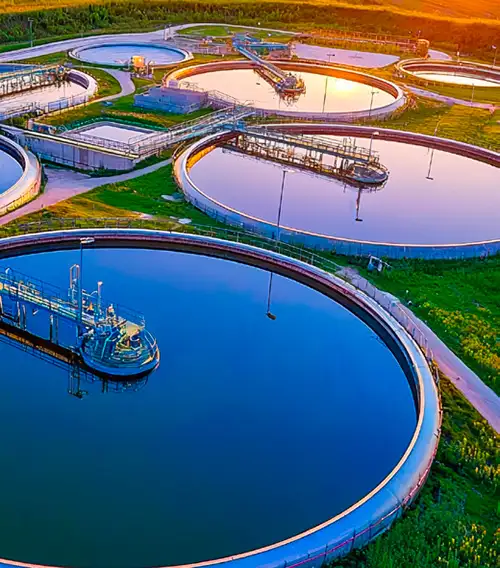
Tryptophan Sensors
Tryptophan is a naturally fluorescent amino acid found in proteins and biological material. Tryptophan-like fluorescence can provide a rapid indication of changes in biologically derived organic matter and wastewater influence.
- Wastewater Monitoring: Detects changes in tryptophan-like fluorescence that may indicate wastewater or sewage entering natural waters.
- Organic Pollution Tracking: Provides rapid indication of changes in protein-like organic matter associated with biological activity and organic contamination.
- Early-Warning Monitoring: Continuous measurements can identify sudden changes in water quality and help determine when additional sampling or laboratory analysis may be warranted.
Related Products
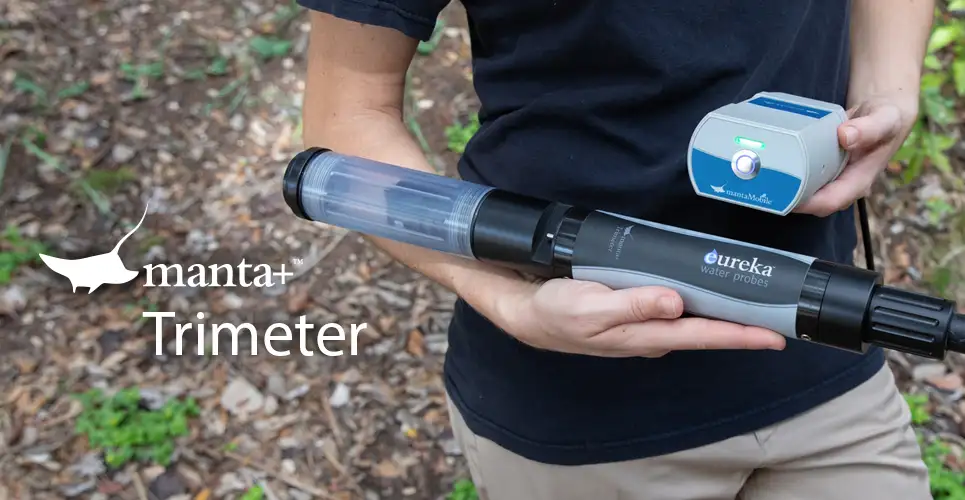
Manta Trimeter Water Quality Probe
The Trimeter holds any one sensor* from the Sensor Parameters list, plus temperature and depth sensors (both are optional). For example, a Trimeter configuration could be turbidity, temperature, and depth. Another example could be DO and temperature.
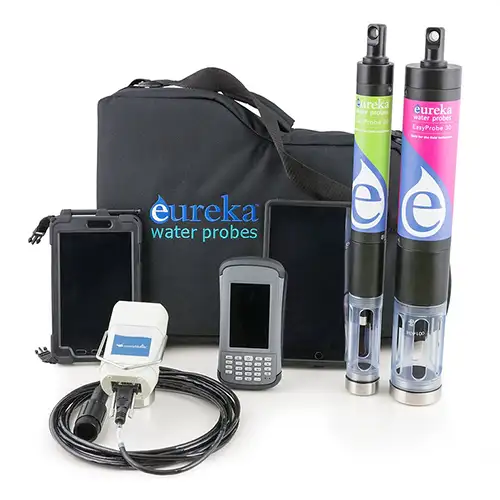
EasyProbe: Water Quality Sondes
The EasyProbe, by Solinst Eureka, is a high-performance, cost-effective water quality monitor. It's ideal for spot-checking, remote telemetry, education, research, aquaculture, and more. The EasyProbe20 includes sensors for temperature, dissolved oxygen, conductivity, and pH, while the EasyProbe30 adds a turbidity sensor. Eureka multiprobes are known for their reliability, with a three-year warranty covering all sensors, and have the lowest maintenance costs in the industry.
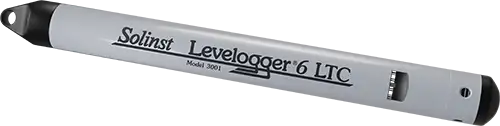
Water Level, Temperature & Conductivity Datalogging
The Levelogger 6 LTC measures and logs water level fluctuations, temperature, and conductivity. It is programmed to record at intervals as often as 2 seconds. It includes an 8-year battery, memory for 100,000 sets of readings, and comes in 6 pressure ranges. A PFAS-free coating (inside and out) provides superior corrosion and abrasion resistance.
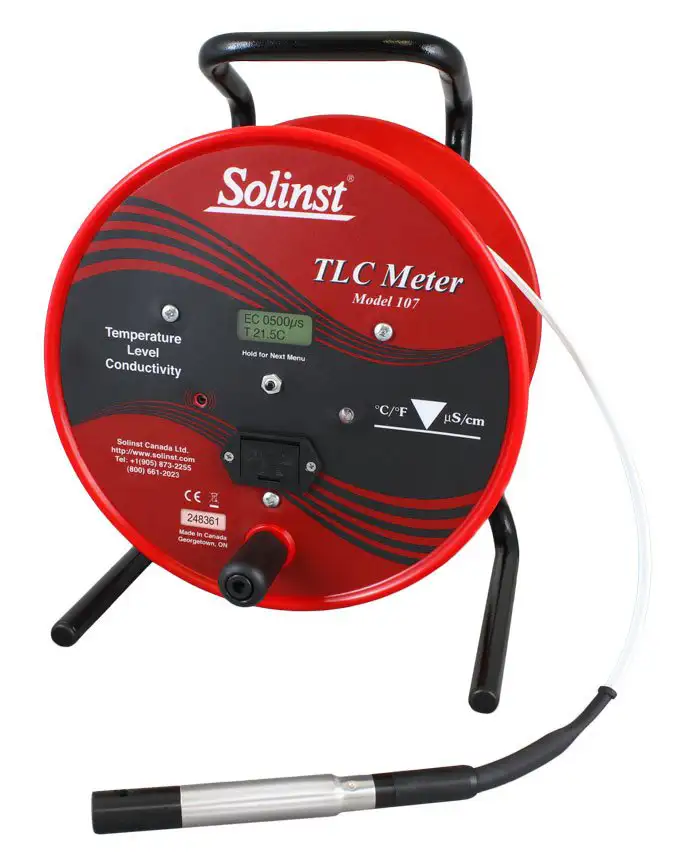
TLC Meter – Measure Accurate Temperature, Level & Conductivity
A TLC Meter provides accurate, stable temperature and conductivity measurements, displayed on a convenient LCD display for easy reading. Static water level and depth of readings are read off Solinst flat tape, which is precisely laser-marked every mm or 1/100 ft. Tape lengths are available to 300 m (1000 ft).


