
Turbidity Sensor: Water Quality Probe

Solinst Eureka
2113 Wells Branch Pkwy, Suite 4400
Austin, TX, USA
78728
Tel: +1 512-302-4333
Fax: +1 512-251-6842
email: [email protected]
Solinst Eureka Turbidity Sensor
Solinst Eureka turbidity sensors measure water clarity by detecting the amount of light scattered by suspended particles, in accordance with the ISO 7027 standard.
An infrared light beam is projected into the water, and a detector positioned at 90° measures the intensity of scattered light. In clear water, minimal light is scattered. As the concentration of suspended particles increases, more light is scattered, resulting in higher turbidity readings.
The sensor provides a linearised output based on formazin solutions. Integrated digital filtering helps remove transient spikes caused by bubbles, debris or large particles, improving data quality in dynamic environments.
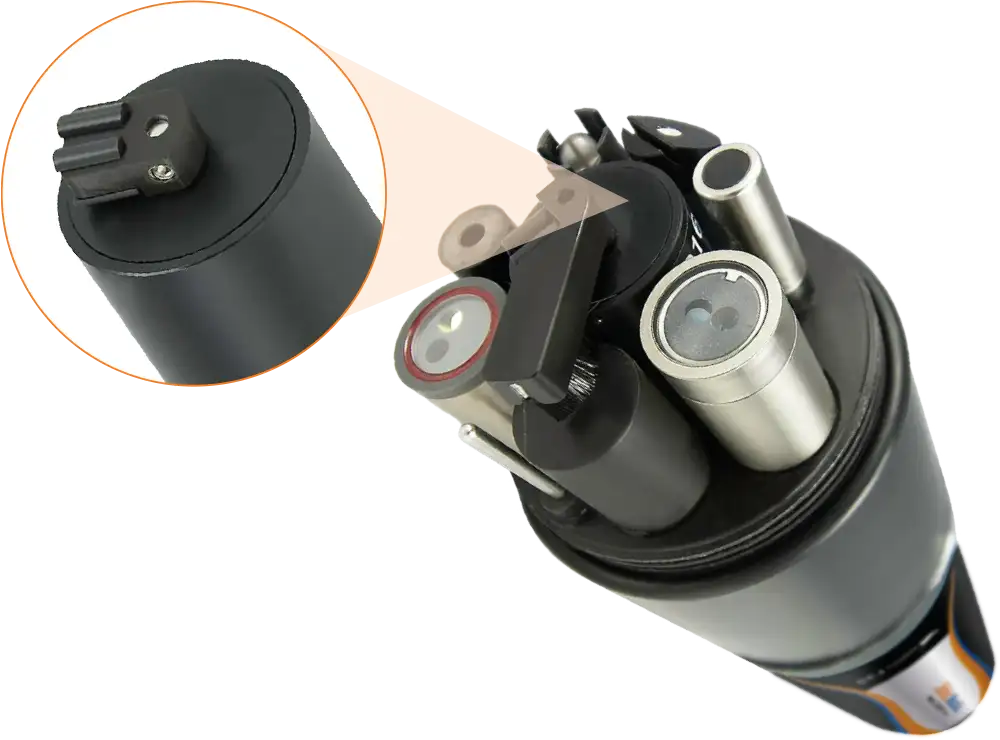
A built-in mechanical wiper, designed with a squeegee-style action, keeps the sensor’s optical surface free of foulants, ensuring reliable long-term operation in field conditions.
Solinst Eureka Turbidity Sensor Features
- ISO 7027 Compliant Measurement: Standardised turbidity measurement using infrared light and a 90° measurement angle
- Linearised Output with Formazin: Ensures consistency with industry reference standards
- Adjustable Output Calibration: Enables calibration with standard solutions or historical data
- Data Spike Filtering: Removes transient interference from bubbles and debris
- Squeegee-Style Wiper System: Helps keep the optical surface clean and free of foulants
- Replaceable Wiper Element: Reduces long-term maintenance costs
- Industry-best Warranty: Three-year warranty
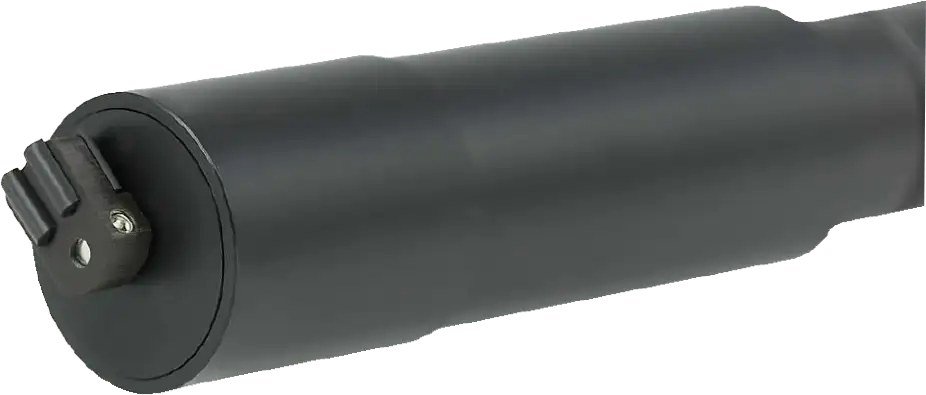
Turbidity Sensor Specifications
Why Measure Turbidity in Water?
Turbidity is a key parameter for assessing water clarity and particulate content. It is used to:
- Monitor treatment performance and filtration efficiency
- Detect contamination and runoff events
- Evaluate environmental conditions in natural waters
- Support regulatory compliance
Because turbidity responds quickly to changes in suspended solids, it is often one of the first indicators of changing water quality.
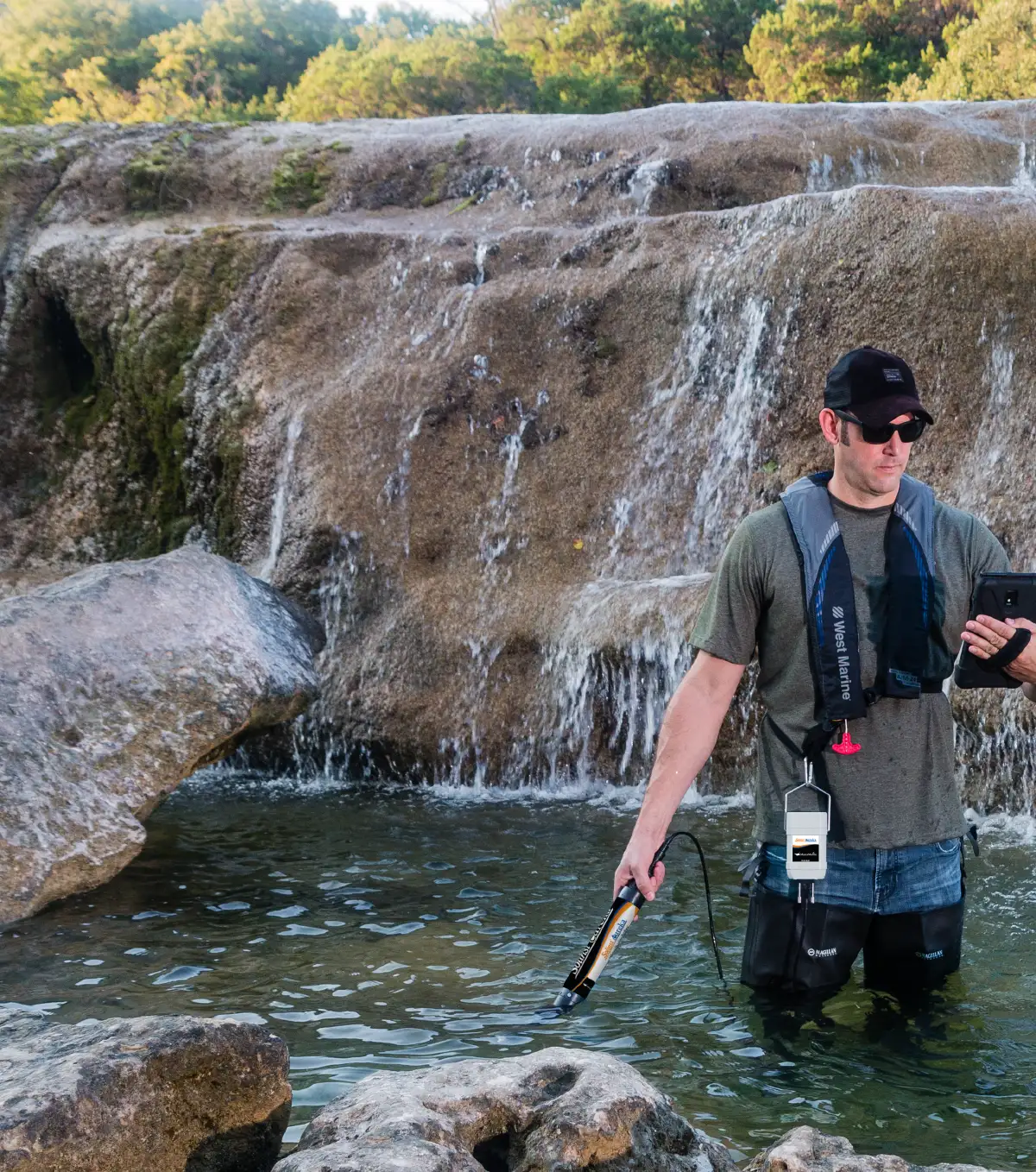
Turbidity vs Transmittance:
These measurements provide different but complementary insights:
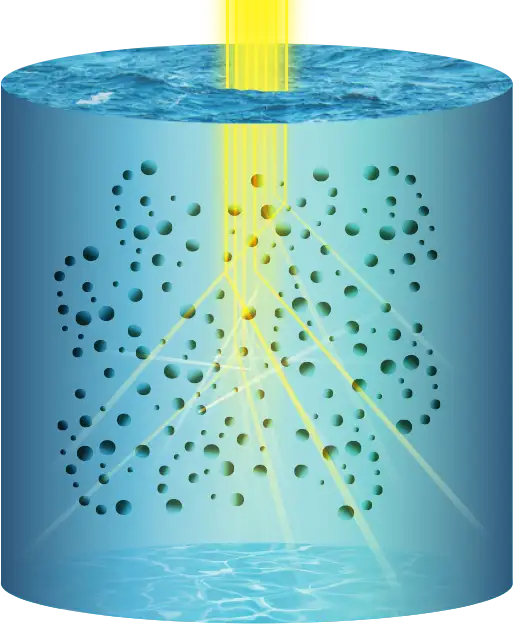
Turbidity
- measures scattered light
- indicates the presence and behaviour of suspended particles
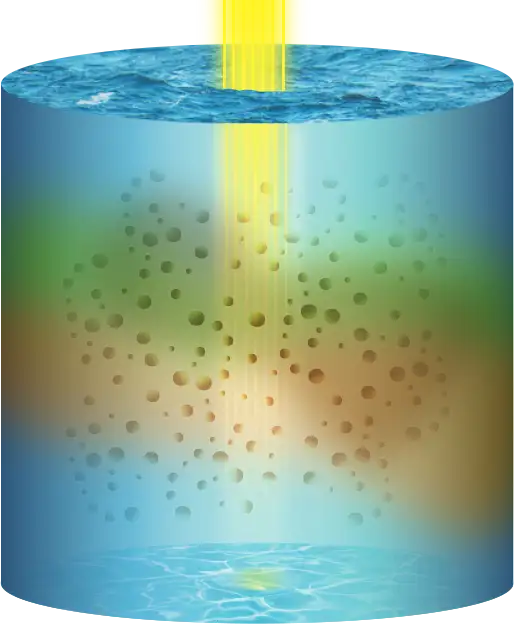
Transmittance
- measures the amount of light that passes directly through water
- measures total light attenuation caused by both particles and dissolved substances
Using both parameters together provides a more complete understanding of water clarity, light penetration and optical conditions.
Many monitoring programmes rely on turbidity alone, which can overlook changes in dissolved optical properties. Combining both parameters provides a more complete assessment of water clarity.
Understanding What Turbidity Does and Does Not Measure
Turbidity measures scattered light, not total light transmission. This means:
- It is sensitive to particle size, shape and composition
- Different particles can produce different turbidity readings at the same concentration
- It does not directly measure how much light passes through the water
As a result, turbidity alone cannot fully describe how light behaves in water, particularly in systems where dissolved substances significantly affect optical clarity.
Integrated Water Quality Monitoring
Turbidity is most effective when measured alongside other water quality parameters. When integrated with the Solinst Eureka Manta platform, turbidity data works in combination with:
- Transmittance – to assess total light attenuation and optical clarity
- Chlorophyll – to evaluate biological activity
- Dissolved Oxygen – to understand ecosystem health
- Conductivity – to detect dissolved contaminants
This multi-parameter approach provides a more complete understanding of water quality conditions.
What Turbidity Indicates in Water
Turbidity reflects the presence of suspended particles in water, including:
- Sediment, silt and clay
- Organic matter
- Algae and microorganisms
- Industrial or environmental particulates
Where Turbidity Measurement Is Most Useful
Turbidity is critical in applications where suspended solids, aesthetics and clarity are primary concerns:
- Drinking water treatment and filtration monitoring
- Surface water and watershed studies
- Stormwater and runoff analysis
- Wastewater treatment processes
- Sediment transport and erosion monitoring
- Construction and dredging operations
- Regulatory compliance
In these applications, turbidity provides a fast, reliable indication of particulate changes in water.
Maintaining Measurement Accuracy in the Field
Turbidity sensors can be affected by fouling, debris and transient interference. The Solinst Eureka turbidity sensor addresses these challenges through:
- Integrated spike filtering to remove non-representative readings
- Mechanical wiper system to maintain optical clarity
- Flow-through design to reduce debris accumulation
These features ensure consistent and reliable performance in real-world conditions.
Interpreting Turbidity Trends
Turbidity values are most meaningful when evaluated over time. Typical patterns include:
- Sudden spikes: May indicate runoff events, disturbances or contamination
- Gradual increases: Can suggest rising sediment load or biological growth
- Stable readings: Indicate consistent conditions
Trend analysis helps identify changes in water quality and system behaviour.
Success Cases

Turbidity Monitoring Established Baseline Data Prior to Construction Activities
The Pono Kai Seawall is located on the eastern coastline of the island of Kaua’i. It was significantly damaged from years of exposure to high tides, heavy rains, and pounding surf. The seawall was to be repaired by constructing a sheet pile wall with a rock toe and adding beach nourishment. However, the repair project could result in suspended sediment that might degrade water quality in the area around the project site, possibly causing harm to wildlife and vegetation. During the construction, water quality had to be continually assessed to determine any degradation of water quality.
Related Products
Manta Series Water Quality Probes
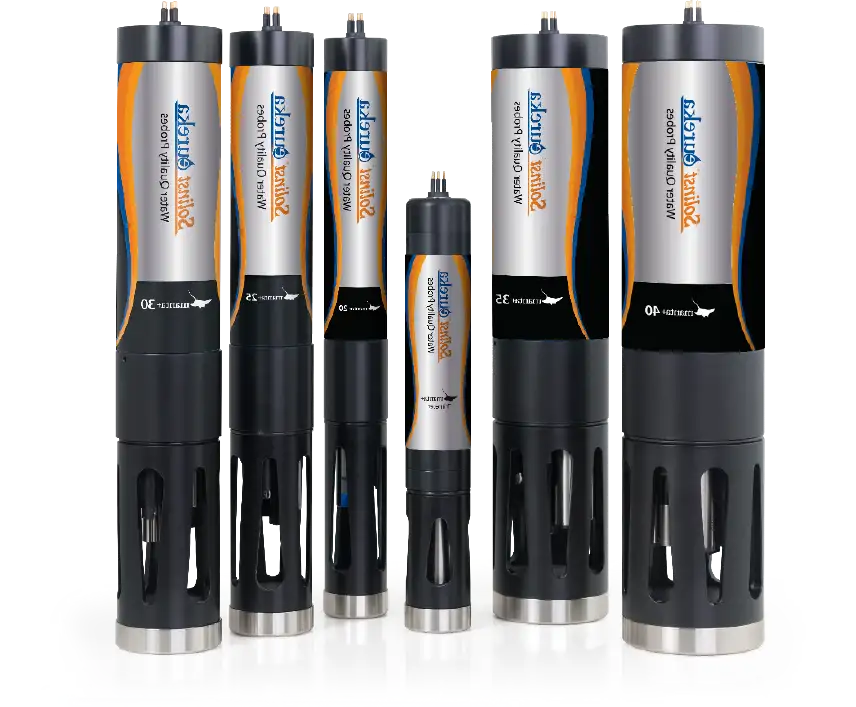
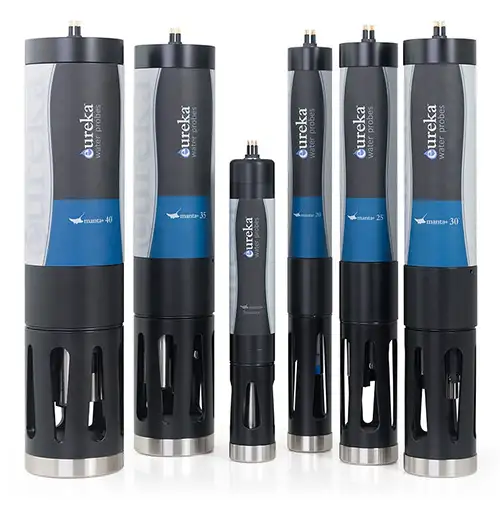
Solinst Eureka offers the largest selection of water quality sensor technologies in the industry. So in addition to standard configurations, each probe may be customised for your specific application. Pick sensors of your choice to fully populate larger probes, or add a battery pack to convert a probe to a logging device.
Manta Trimeter Water Quality Probe
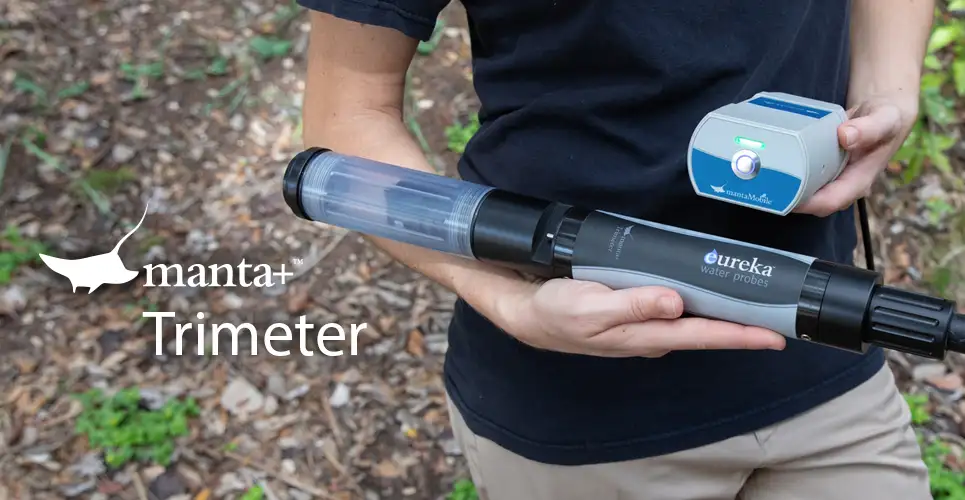
The Trimeter holds any one sensor* from the Sensor Parameters list, plus temperature and depth sensors (both are optional). For example, a Trimeter configuration could be turbidity, temperature, and depth. Another example could be DO and temperature.
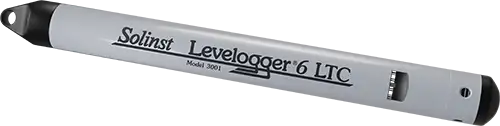
Water Level, Temperature & Conductivity Datalogging
The Levelogger 6 LTC measures and logs water level fluctuations, temperature, and conductivity. It is programmed to record at intervals as often as 2 seconds. It includes an 8-year battery, memory for 100,000 sets of readings, and comes in 6 pressure ranges. A PFAS-free coating (inside and out) provides superior corrosion and abrasion resistance.
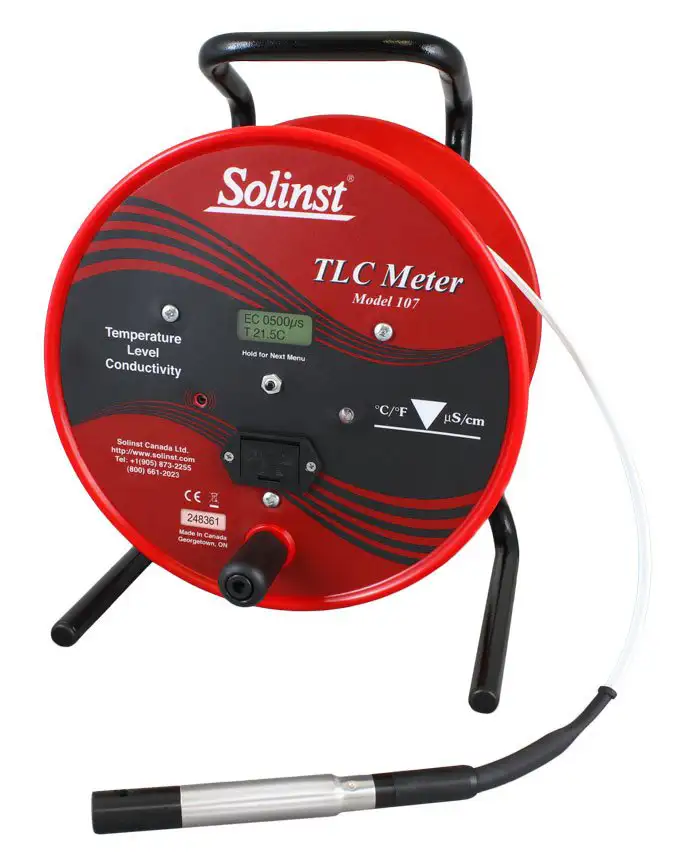
TLC Meter – Measure Accurate Temperature, Level & Conductivity
A TLC Meter provides accurate, stable temperature and conductivity measurements, displayed on a convenient LCD display for easy reading. Static water level and depth of readings are read off Solinst flat tape, which is precisely laser-marked every mm or 1/100 ft. Tape lengths are available to 300 m (1000 ft).


