
CMT Multilevel System Case Studies and Technical Bulletins
Case Studies and Articles
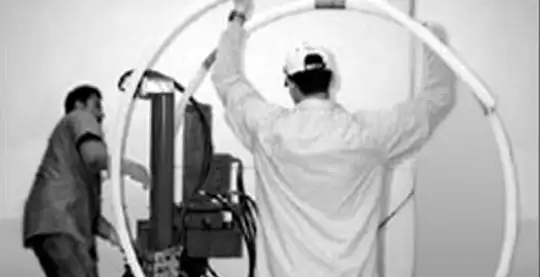
CMT for High Resolution Vapour Intrusion Monitoring
Vapour intrusion refers to the movement of volatile chemicals from the subsurface into the indoor air of overlying buildings. The most common source is groundwater or soil contaminated with volatile organic compounds (VOCs). VOCs emit vapours that migrate into pore spaces of the soil and upward into the overlying environment. Generally, vapours enter buildings through cracks and openings in the foundations because of a difference between interior and exterior pressures.
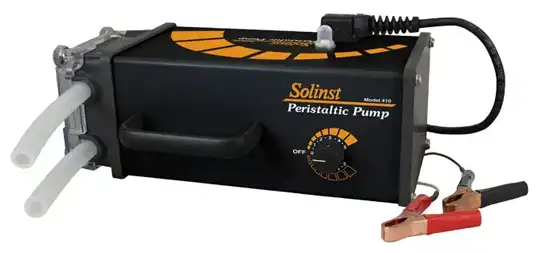
Sampling in Multilevels: Options and Helpful Hints
Collecting groundwater samples, in either the Solinst Continuous Multichannel Tubing (CMT) or Waterloo Multilevel Systems, must be accomplished with devices that can sample in, or through, relatively narrow tubing. Sampling tubes placed within the Waterloo System are either 1/2” ID (12 mm), 3/8” ID (10 mm) or 1/4” ID (6 mm) depending on the number of zones being monitored. These open tubes are usually used in place of dedicated pneumatic pumps in the Waterloo System, when the application is relatively shallow and the water level high.
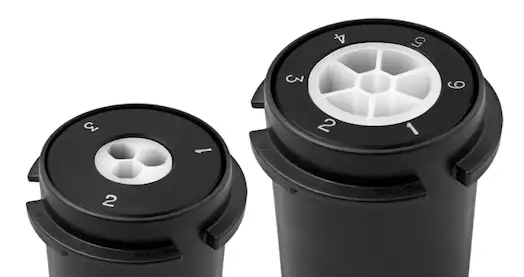
CMT Systems for the LUST Market
Multilevel monitoring wells solve the above problems, yielding accurate depth-discrete samples and preventing ambient flow in the well. More complete and accurate data sets quickly identify LUST sites which pose a threat to downgradient receptors and those that can be closed with no further action.
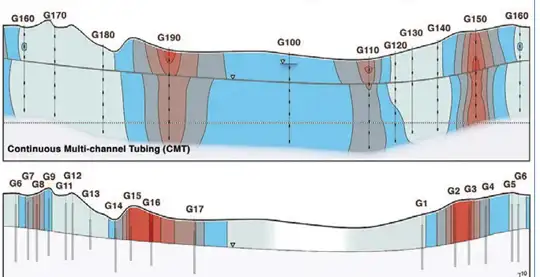
CMT Vapour Monitoring
Vapour intrusion refers to the movement of volatile chemicals from the subsurface into the indoor air of overlying buildings. The most common source is groundwater or soil contaminated with volatile organic compounds (VOCs). VOCs emit vapours that migrate into pore spaces of the soil and upward into the overlying environment. Generally, vapours enter buildings through cracks and openings in the foundations because of a difference between interior and exterior pressures.


