
1 Introduction to RRL and Compatibility
1 Introduction
Systems operate on two basic schedules.
Optionally, dataloggers themselves can be set up to record and store data independently of the Telemetry System. This provides a reliable back-up if circumstances require it. An internal barometer allows barometrically compensated water levels to be reported. This manual focuses on configuration, programming, and installation of Remote RRL 5 Networks. It includes instructions for installing and using Solinst Telemetry Software to set up data collection schedules, manage data, and perform remote diagnostic checks.
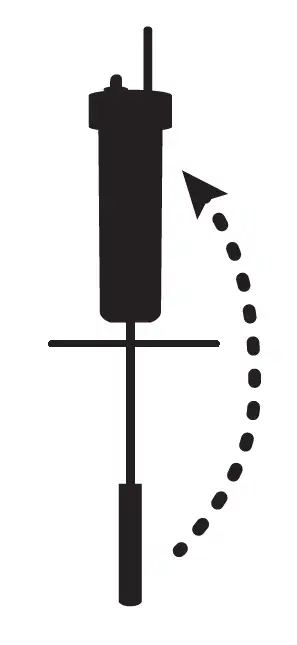
Sample Rate is the frequency the RRL Remote Stations collect real-time readings from each of the attached dataloggers. The Sample Rate can be set from 10 seconds to 99 hours.
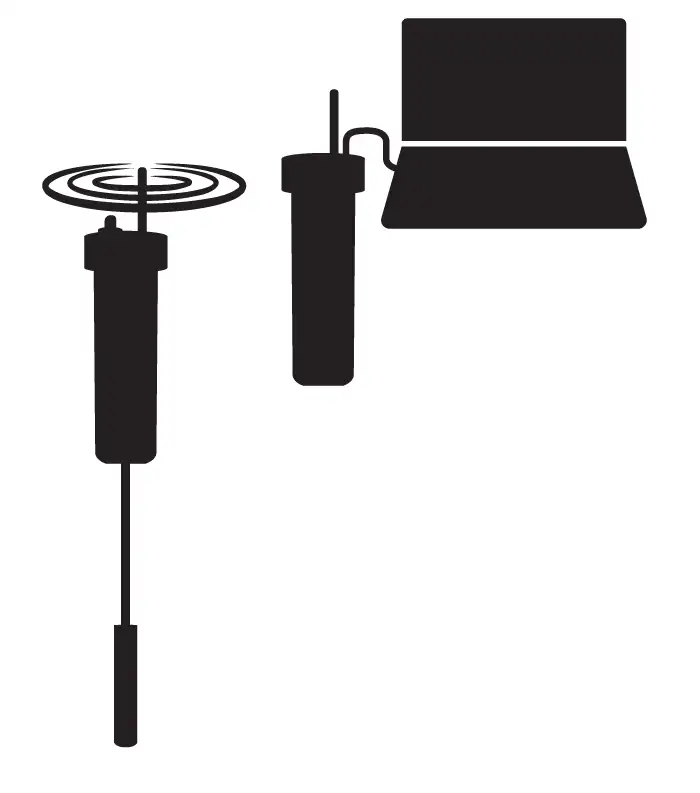
Report Rate is the rate at which stored data is sent from a Remote Station to the Home Station. The Report Rate can be set from 1 minute to 99 hours.
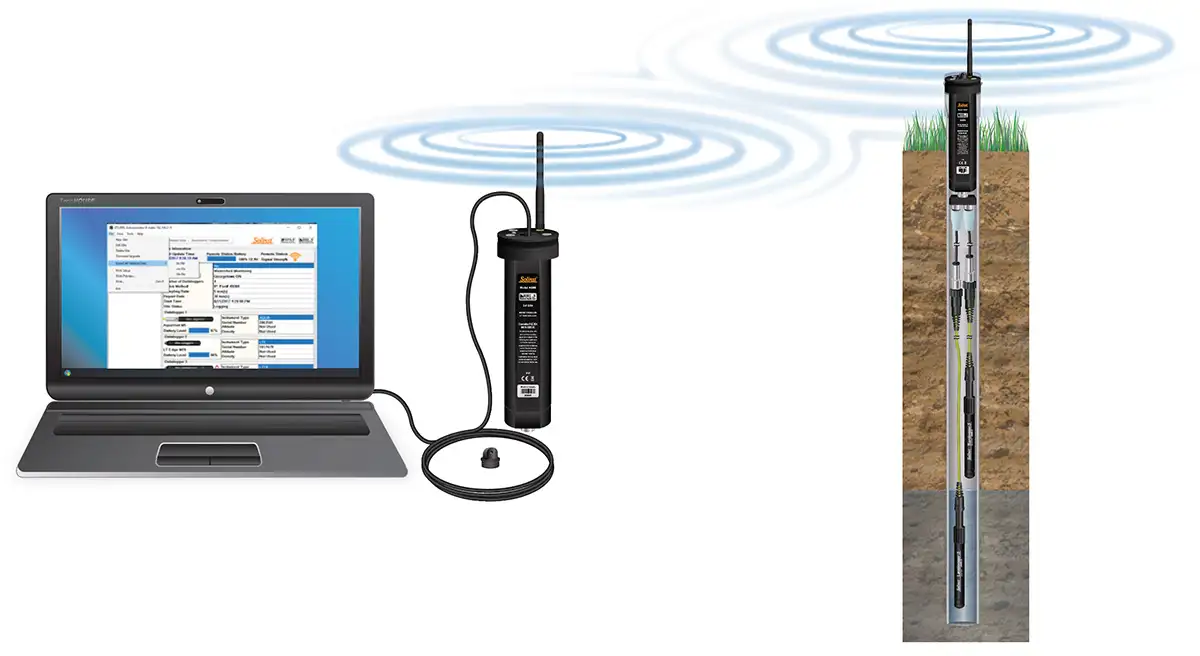
Figure 1-1 RRL 5 Remote Radio Link System
RRL 5 Remote Radio Link Specifications
Table 1-1 RRL 5 Specifications
1.1 RRL 5 Compatibility
Each RRL 5 Station can connect up to two Solinst dataloggers. RRL 5 Systems are compatible with the Levelogger 5, Barologger 5, Levelogger 5 Junior, Levelogger 5 LTC, Rainlogger 5, and LevelVent 5, as well as Levelogger Edge Series dataloggers and previous LevelVent dataloggers using the following firmware versions (or higher):
Table 1-2 Compatible Datalogger Firmware Versions
It is also important to ensure you are using the most recent RRL 5 firmware version, with the most recent
Solinst Telemetry Software. To check this, go to https://downloads.solinst.com
Note:
To determine the current firmware version on an RRL 5 unit, connect it to the PC with a USB cable and open
the RRL Remote Utility. See Section 5.
Note:
To determine what software version you are using, use the Help menu in the STS/RRL Administrator.
Related Products
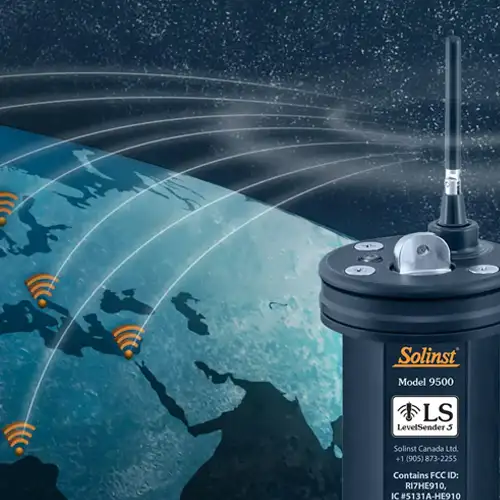
Plug and Play Telemetry
Already own Leveloggers? Quickly and easily upgrade your monitoring wells with LevelSender Telemetry. The 4G LevelSender 5 telemetry system features an optional Solinst SIM card. It is set up for you in advance—with a low-cost plan managed by Solinst! An internal barometer provides automatically compensated water level readings; set high/low level alarms.
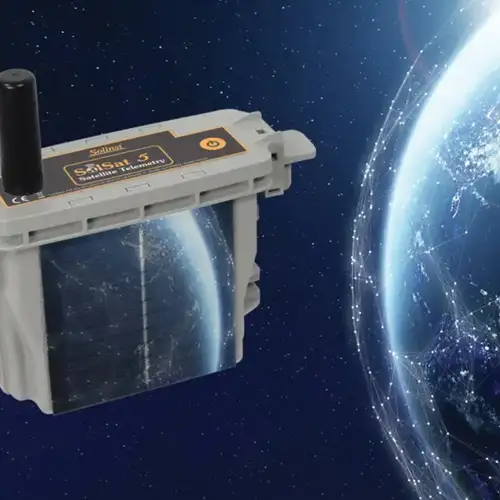
Discover Anywhere Monitoring
SolSat 5 is a telemetry system that leverages Iridium satellite technology to provide global connectivity for Solinst 5 Series dataloggers. It uses low cost TextAnywhere global satellite messaging to send remote data to a secure web portal. It features a robust weatherproof enclosure for installation almost anywhere. Features built-in Wi-Fi setup app, solar panel, and barometer.
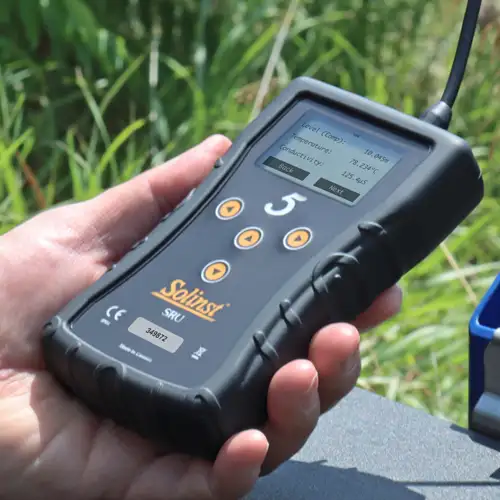
Solinst Readout Unit (SRU)
The Solinst Readout Unit (SRU) is a rugged, handheld device designed to connect to a deployed Solinst datalogger and display instant water level readings – with the option of automatic barometric compensation. Real-time logging and downloaded data can be saved and transferred to a PC. Quickly check the datalogger's status.
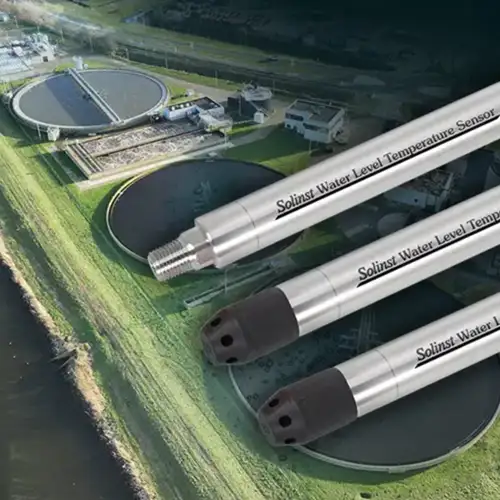
Versatile Submersible Water Level Transmitter
The 301 Water Level Temperature Sensor provides the option of highly accurate water level transmission using multiple protocols – MODBUS, SDI-12 and 4-20mA – for a wide variety of applications. This compact, all-in-one submersible hydrostatic level transmitter provides continuous, stable water level and temperature readings, with options for absolute and gauged pressure sensors.


