
Fluorometers: Water Quality Sensors

Solinst Eureka
2113 Wells Branch Pkwy, Suite 4400
Austin, TX, USA
78728
Tel: +1 512-302-4333
Fax: +1 512-251-6842
email: [email protected]
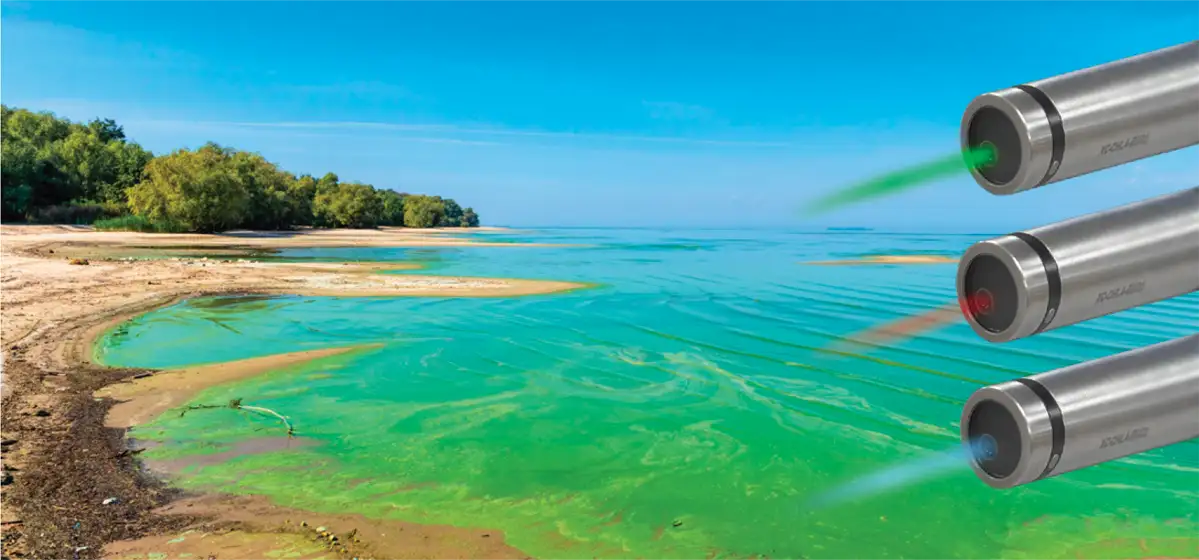
Solinst Eureka Fluorometers
Fluorometers are advanced sensors used to measure the fluorescence emitted by specific substances in water when exposed to certain wavelengths of light. Many substances, including algae, bacteria, and organic materials, exhibit fluorescence under UV light. By detecting this fluorescence, fluorometers can provide valuable information about the presence and concentration of specific water parameters.
In water quality monitoring, fluorometers are essential for detecting and quantifying various organic and inorganic compounds
Key Features of Solinst Eureka Fluorometers:
- Broad Spectrum Detection: Fluorometers are designed to measure a wide array of parameters, providing a holistic view of water quality.
- High Sensitivity and Accuracy: Advanced technology ensures precise detection and quantification of target substances, even at low concentrations.
- Robust and Reliable Design: Built to withstand the rigours of field use, fluorometers deliver consistent performance in diverse aquatic environments.
- User-Friendly Interface: Intuitive operation and seamless data integration make our fluorometers accessible to professionals of all experience levels.
Fluorometer Operating Principles
Excitation: The fluorometer emits light at a specific wavelength to excite fluorescent molecules in water.
Emission: These molecules then emit light at a different wavelength.
Detection: The fluorometer measures the intensity of the emitted light (filters ensure only the desired wavelength is detected), which indicates the concentration of the fluorescent substance.
Fluorometer Applications
- Surface Water Quality: Monitor lakes, rivers, and reservoirs for pollutants and organic matter to maintain healthy ecosystems.
- Groundwater Monitoring: Detect and measure contaminants in groundwater, ensuring safe drinking water and environmental protection.
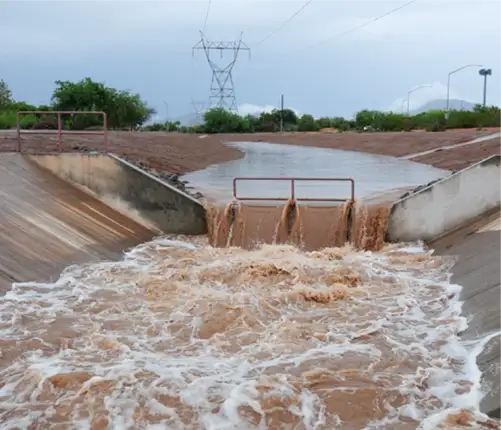
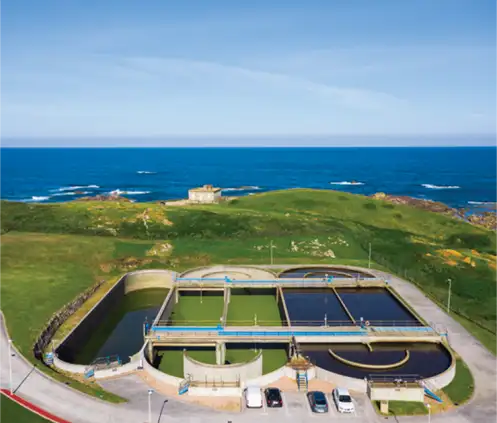
- Effluent Monitoring: Measure the quality of wastewater discharged from facilities and industrial processes to comply with environmental regulations.
- Environmental Research: Support scientific studies on water quality and pollution, contributing to environmental conservation efforts.
- Tracer Tests: Detect and track fluorescent tracers in water systems, helping to understand flow patterns, identify leaks, and assess environmental impacts.
Solinst Eureka offers a wide range of fluorometers:
Chlorophyll Sensors
Chlorophyll, the green pigment in phytoplankton and algae, indicates the level of photosynthesis occurring. This primary production forms the base of the aquatic food web, supporting everything from zooplankton to fish. While moderate chlorophyll levels suggest a healthy ecosystem, excessive levels can signal eutrophication, leading to unpleasant aesthetics, drinking water taste and odour issues, and potential fish kills.
Solinst Eureka offers two chlorophyll sensors: blue and red excitation. The blue version is commonly chosen because algae absorb blue light well, providing high sensitivity for fluorescence detection. However, dissolved and particulate organic matter (DOM/POM) can reduce the sensitivity of the blue sensor. The red chlorophyll sensor, designed to minimize interference from DOM/POM, allows for accurate detection of algal abundance since red light doesn’t excite these materials. While it is less sensitive for detecting eukaryotic algae, its effectiveness against interference may outweigh this drawback. Additionally, red excitation fluorometry is more sensitive to prokaryotic algae (cyanobacteria), making it ideal for freshwater systems rich in DOM and blue-green algae.
Blue-Green Algae Sensors
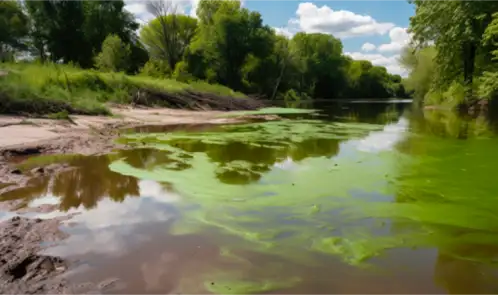
Blue-green algae, actually bacteria known as cyanobacteria, are photosynthetic and responsible for over 20% of the earth’s photosynthesis. While cyanobacteria contribute to the oxygen cycle, they can proliferate and exhaust their nutrients, leading to decay that lowers oxygen levels and causes fish kills. Additionally, dying cyanobacteria may release toxins harmful to humans and animals.
Phycocyanin and phycoerythrin are key indicators of harmful cyanobacteria blooms; therefore, Solinst Eureka offers two blue-green algae sensors available for monitoring in marine and freshwater applications: Phycoerythrin, which is dominant in marine species such as Synechococcus spp., and Phycocyanin, which is abundant in freshwater taxa such as Anabaena, Microcystis, and Spirulina.
CDOM/FDOM Sensors
Dissolved Organic Material (DOM) encompasses various forms, including humic acids and organic secretions. It is a significant reservoir of reactive carbon and serves as a dynamic substrate for bacteria, plants, and animals. DOM can photodegrade into volatile compounds that harm the environment and contains chromophores that absorb light, leading to the term Chromophoric Dissolved Organic Materials (CDOM).
CDOM also fluoresces (FDOM), allowing researchers to measure its abundance in water systems through fluorometry. Monitoring DOM levels is crucial for understanding changes in primary productivity, phytoplankton dynamics, algal blooms, and overall environmental conditions. Because there are different CDOM sources that may emit a range of wavelengths, Solinst Eureka chose a broad band emission filter that will detect various types of CDOM found in the natural environment.
Optical Brightener Sensors
Optical brighteners indicate potential contamination from detergents and other human activities. Solinst Eureka’s optical brightener sensor has a large dynamic range (>5000 parts per million) which allows it to operate in most aquatic environments, and its high resolution increases its accuracy. Optical brightener sensors may be used in studies to locate specific sites where on-site wastewater systems may be entering rivers or other waterways. Fluorometric determinations of brightener concentrations in natural water samples have been useful in finding wastewater sources and fecal coliform contaminations for Health Department studies, as well as in general research.
Tryptophan Sensors
Tryptophan is an amino acid dissolved in water with specific excitation and emission. It is classified as protein-like organic matter, and sources may include water systems with high biological activity and wastewater or industrial discharge. Tryptophan is another parameter researchers can measure to track wastewater effluent, which may significantly impact habitats and wildlife. The Tryptophan fluorometer outputs a 0-5 volt analog signal proportional to the fluorescence response of the Tryptophan dissolved in water. Solinst Eureka Probes convert the signal to a digital format to measure Tryptophan in concentrations 0 – 5000 ppb. To identify the presence/absence of protein-like organic matter that may indicate wastewater discharge, Solinst Eureka’s Tryptophan fluorometer enables users to detect Tryptophan within a low-level range (limit of detection of 3 ppb) needed for this environmental study.
Rhodamine Sensors
Fluorescent dyes like Rhodamine are often added to water systems to provide water discharge and velocity data. Rhodamine is a highly fluorescent material with the unique ability to absorb green light and emit red light. Very few compounds have this property, so interferences from other substances are very rare. This makes Rhodamine a highly specific tracer. The fluorometer is configured to shine green light on the sample and detect the red light emitted. The amount of red light emitted is directly proportional to the concentration of the dye, up to 1000 parts per billion (1000 μg/L). Relative fluorescence readings, dye concentrations, dilution factors, dye travel time, and other parameters provide valuable data used to draw conclusions regarding the water system being studied.
Fluorescein Sensors
Fluorescein was the first fluorescent dye used for water tracing work and is still used for qualitative studies of underground contamination of wells. Fluorescein is used for flow measurements, circulation, dispersion, plume studies, hydraulic models and groundwater studies. The Solinst Eureka Fluorescein sensor is configured to report directly proportional to the concentration of the dye present in the sample, up to 500 parts per billion (500 μg/L). Fluorescein emits a brilliant green fluorescence, which gives an excellent visual or photographic contrast against the backgrounds commonly encountered in water transport studies. Therefore, it is easy to visualize the progress of an experiment. It is more aesthetic than red dye, which is important in ocean areas subject to the blooms of certain dinoflagellates, called “red tides.”
PTSA Fluorescence Sensors
PTSA (Pyrenetetrasulfonic acid) dye is non-toxic and chemically stable, making it an ideal trace additive for water treatment systems and agricultural applications. When adding PTSA to treatment formulations, the fluorescent response of the PTSA tracer dye is proportional and graphically linear between specific concentration ranges and the concentration of the chemical with which the system is dosed. Measurements from the PTSA fluorometer may be made available online, in the field, and in the laboratory to be expedited quickly and routinely, enabling real-time product dose analysis. This allows improved accuracy of feed rate monitoring, continuous system monitoring, and control of system characteristics, all ensuring that companies can improve their results and meet challenging system requirements. This UV optical sensor detects the fluorescence of PTSA in water up to 650 ppb. PTSA dye emits wavelengths between 400 and 500 nm when irradiated with UV light.
Refined Oil and Fuel Sensors
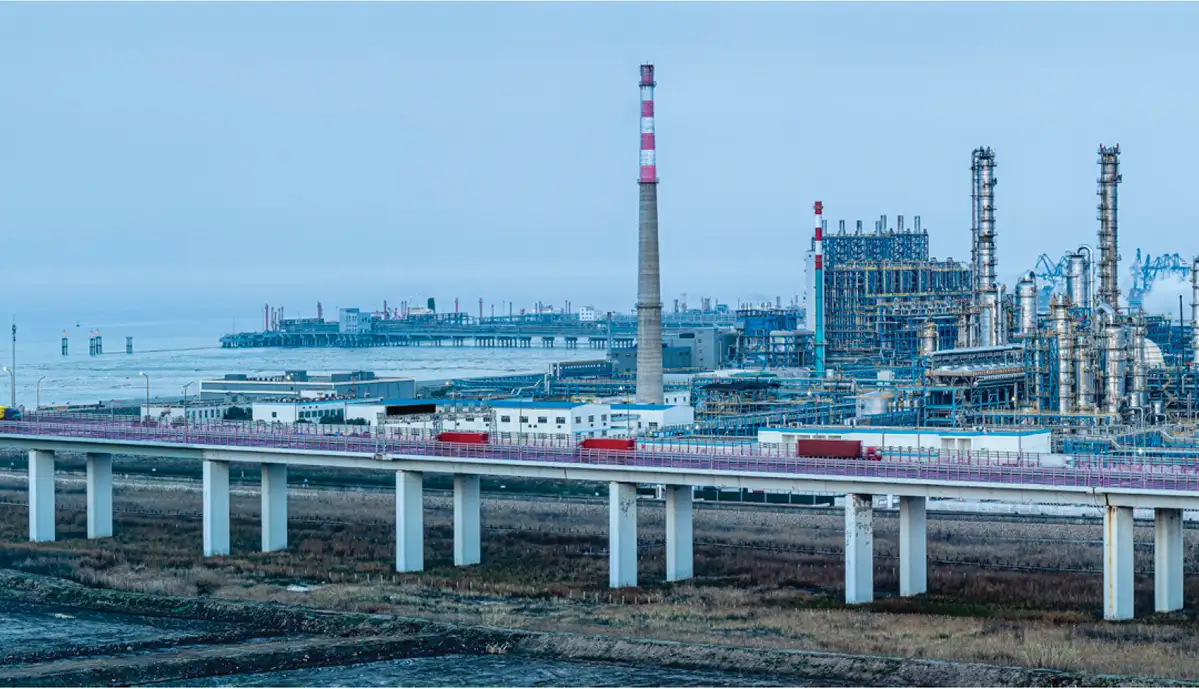
Refined fuels such as benzene, toluene, ethylbenzene, and xylenes (BTEX) are volatile organic compounds (VOCs) in petroleum derivatives. These compounds can harm humans and animals if absorbed through the skin, ingested, or inhaled. Many pathways lead to environmental contamination, primarily through leakage from broken or degraded storage tanks, pipelines, or containers. Solinst Eureka’s Refined Oil sensor provides data for rapid in situ detection of these compounds. This is ideal for researchers interested in detecting the presence or absence of VOCs and measuring relative fluorescence changes that can indicate increasing or decreasing concentrations. Solinst Eureka’s Refined Oils (Fuels) fluorometer uses deep UV wavelengths for excitation (<300nm). A broadband emission filter is used for detection between 300 and 400nm. It outputs an analogue signal based on the relative fluorescence intensity of Refined Oils (Fuels) in water. This signal is converted to a digital output in the Solinst Eureka multiprobe, reporting the Refined Oil value in ppb.
Crude Oil Sensors
“Crude oil” refers to unprocessed natural petroleum, with various classes differing in chemical composition. Not all crude oil in water comes from spills; natural seepage also occurs. High concentrations can harm aquatic life. Measuring crude oil is challenging due to varying fluorescence responses from different sources, making sensor calibration difficult. The best method is to prepare a standard with known gravimetric concentration similar to the type of oil expected in the field. Crude oil also “weathers,” as lighter fractions like benzene, xylene, and toluene volatilize. Analyzing multiple field samples can help determine oil content; if sensor responses are linear, a single calibration is sufficient. If not, a calibration table should be created to align sensor readings with expected concentrations.
Fluorometers & Water Quality Probes
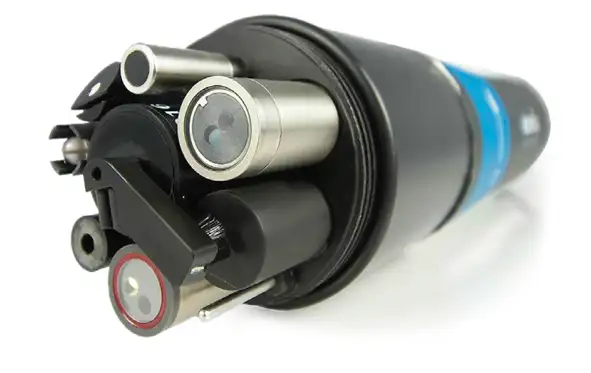
Solinst Eureka’s fluorometer sensors are the best of their kind for portable, water-quality instruments. Sensors may be installed in Manta+ multiparameter water quality probes along with other sensors such as additional fluorometers, dissolved oxygen, pH and conductivity. This makes for a cost-effective approach, as there is no need to buy a dedicated fluorometer. If only one fluorometer is needed, the sensor may be installed on a smaller probe such as the Trimeter.
Operation is made easy, as the fluorometer is controlled by the Manta Control software, like other installed sensors. Solinst Eureka multiprobes can be configured with battery backs for autonomous self-powered deployment, used with field displays for site-to-site spot checking, or connected to data telemetry stations for real-time remote monitoring. Solinst Eureka water quality sondes equipped with fluorometers are portable, durable, and cost-effective.
Fluorometers and Biofouling
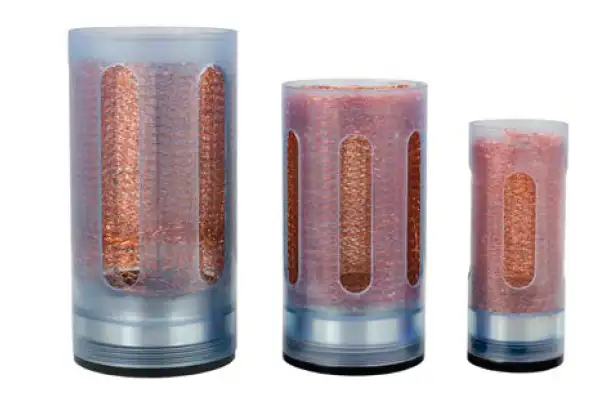
Fouling can hinder fluorescence sensors by accumulating on the active surface, decreasing emitted or received light. Foreign materials may also produce false signals by fluorescing at similar wavelengths. While it’s primarily a concern for long-term deployments, anti-fouling accessories like Solinst Eureka’s wiper system and copper mesh sensor guards can help during continuous use. Wiper systems are also helpful when detecting crude or refined oils to keep the sensor from getting coated.
Also an option, the Manta+ F35 Water Quality Multiprobe is fitted with a copper-filled, silicone “nose cone” covering all exposed sensors except the critical measurement surfaces. A central wiper keeps those measurement surfaces clean.
Calibrating Fluorometers
There are three ways to calibrate fluorometer sensors, depending on the type. First, you can calibrate to a known concentration or lab-qualified sample of the target analyte; the sample can be prepared gravimetrically or purchased. Second, you can calibrate with a “cal cube” or solid secondary standard, an optical device available from Solinst Eureka that provides a consistent output for a given type of fluorescence. Third, you can calibrate with a transfer standard, such as rhodamine; PTSA is also an ideal lab standard that can be used to standardize all of Solinst Eureka’s fluorometers. The latter two methods are indirect but fast, inexpensive, and practical.
CAUTION: Never look directly at a fluorometer sensor.
The UV rays emitted by the sensor can cause eye damage.
Related Products
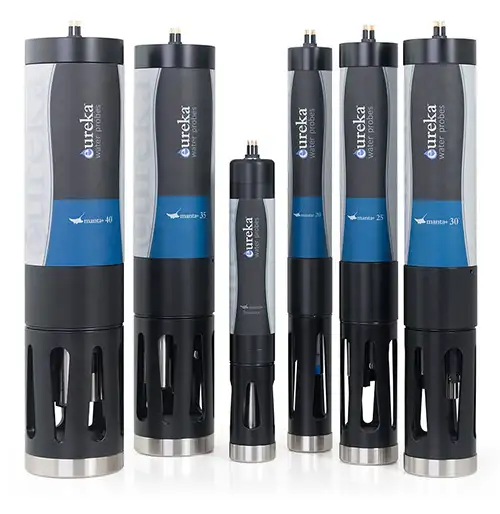
Manta Series Water Quality Probes
Solinst Eureka offers the largest selection of water quality sensor technologies in the industry. So in addition to standard configurations, each probe may be customized for your specific application. Pick sensors of your choice to fully populate larger probes, or add a battery pack to convert a probe to a logging device.
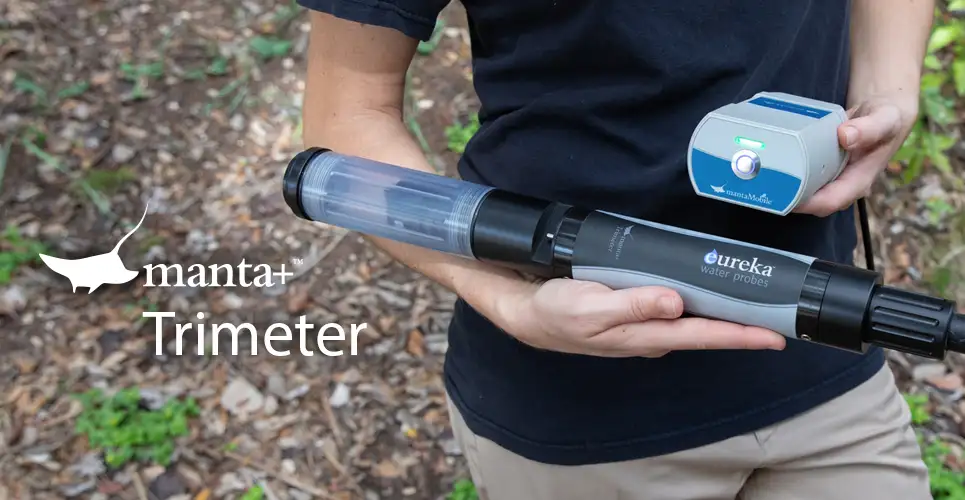
Manta Trimeter Water Quality Probe
The Trimeter holds any one sensor* from the Sensor Parameters list, Plus temperature and depth sensors (both are optional). For example, a Trimeter configuration could be turbidity, temperature, and depth. Another example could be DO and temperature.
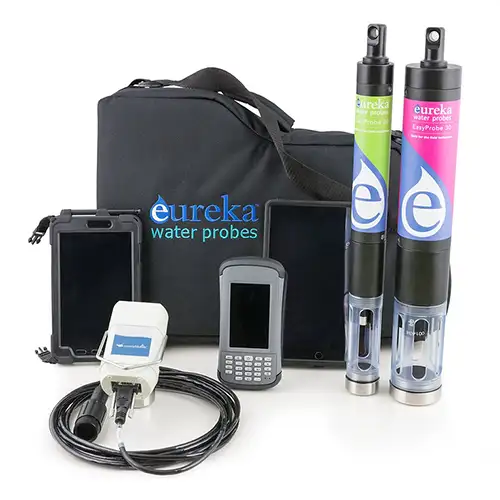
EasyProbe: Water Quality Sondes
The EasyProbe, by Solinst Eureka, is a high-performance, cost-effective water quality monitor. It's ideal for spot-checking, remote telemetry, education, research, aquaculture, and more. The EasyProbe20 includes sensors for temperature, dissolved oxygen, conductivity, and pH, while the EasyProbe30 adds a turbidity sensor. Eureka multiprobes are known for their reliability, with a three-year warranty covering all sensors, and have the lowest maintenance costs in the industry.
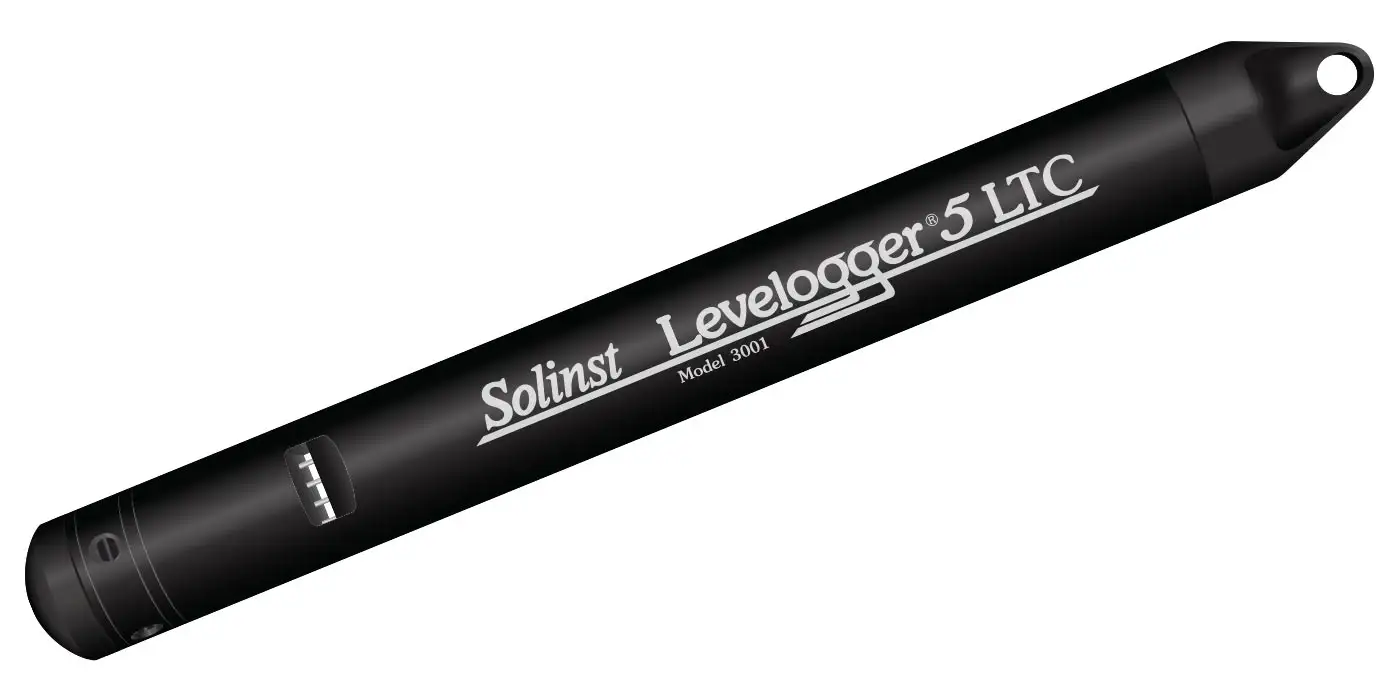
Water Level, Temperature & Conductivity Datalogging
The Levelogger 5 LTC measures and logs water level fluctuations, temperature and conductivity. It is programmed to record at intervals as often as 2 seconds. It includes an 8-year battery, memory for 100,000 sets of readings, and comes in 6 pressure ranges. A PFAS-free coating (inside and out) provides superior corrosion and abrasion resistance.
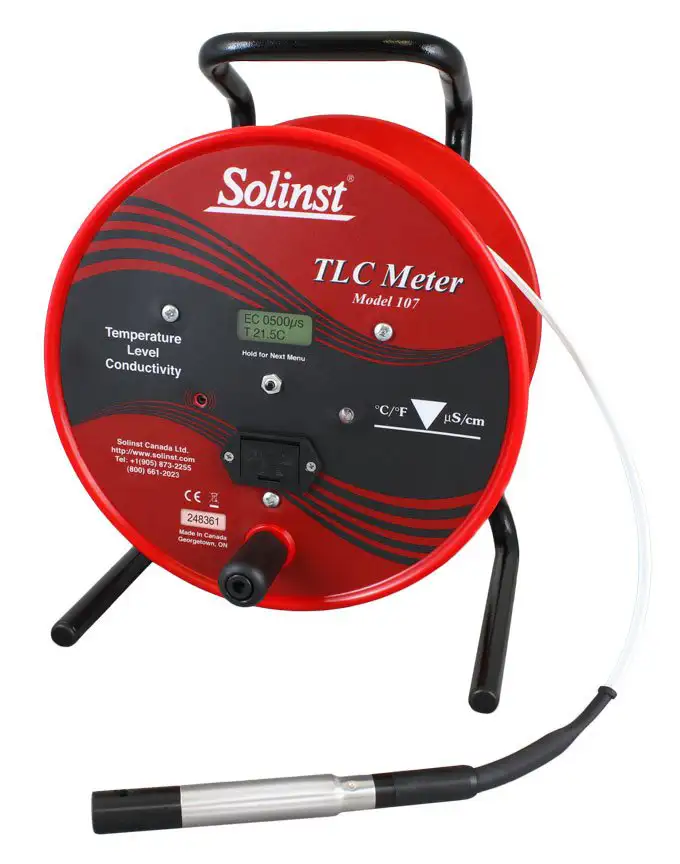
TLC Meter – Measure Accurate Temperature, Level & Conductivity
A TLC Meter provides accurate, stable temperature and conductivity measurements, displayed on a convenient LCD display for easy reading. Static water level and depth of readings are read off Solinst flat tape, which is precisely laser-marked every mm or 1/100 ft. Tape lengths are available to 300 m (1000 ft).


